The concept of site offers a rich complement to text, object and image as a basis for constructing connected histories of art, architecture, and cultural production across the globe. The related and equally resonant notion of space can also capture how socially and environmentally produced spaces help frame cultural actions, habits and performances. In recent years, propelled by broader forces including the ‘spatial turn’ in the humanities, site-based research has shifted focus from monuments to contexts: from individual constructions to the spatial relations among them; from isolated parks and gardens to their geographical and cultural settings. ‘Site’ and ‘space’, twin contested and generative concepts that span the monumental and contextual, are the starting point for the project that has resulted in this website and underlie the individual research questions that motivate our collective exploration of the role of landscape, urbanism and social practice in framing city cultures across Southeast Asia.
IMAGE GALLERY: Site- and space-based encounters
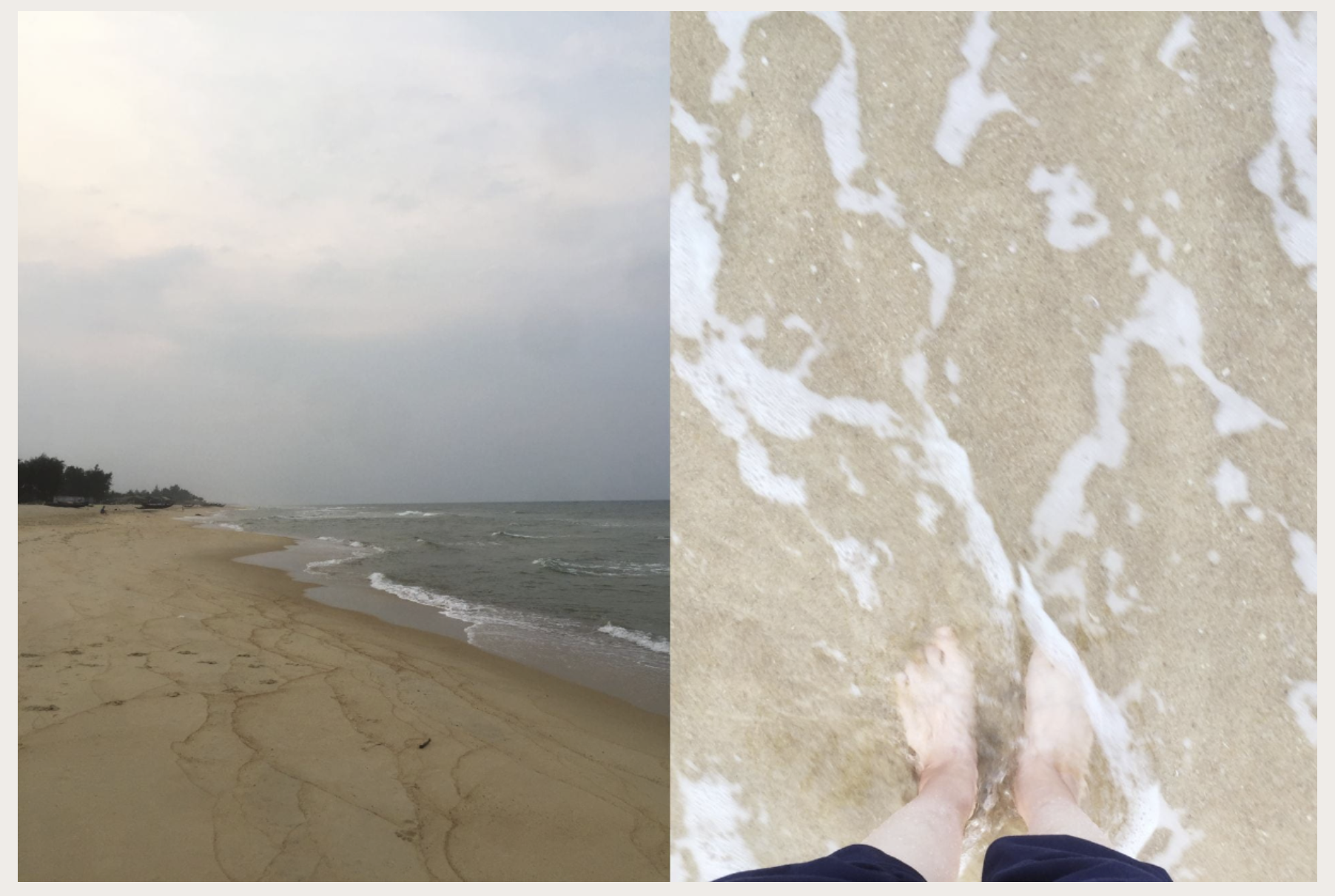
Experiencing environments, structures, and their cultural contexts
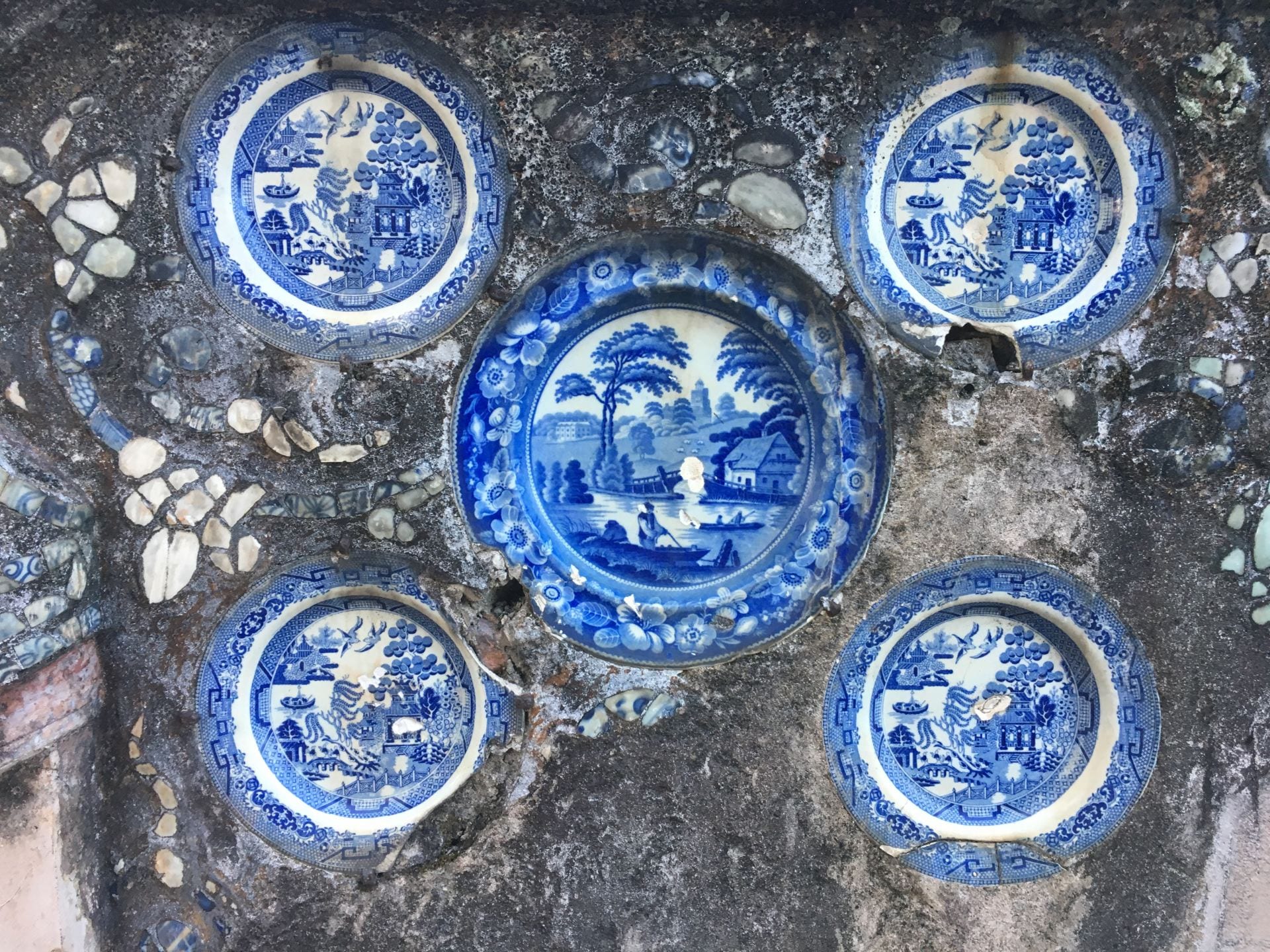
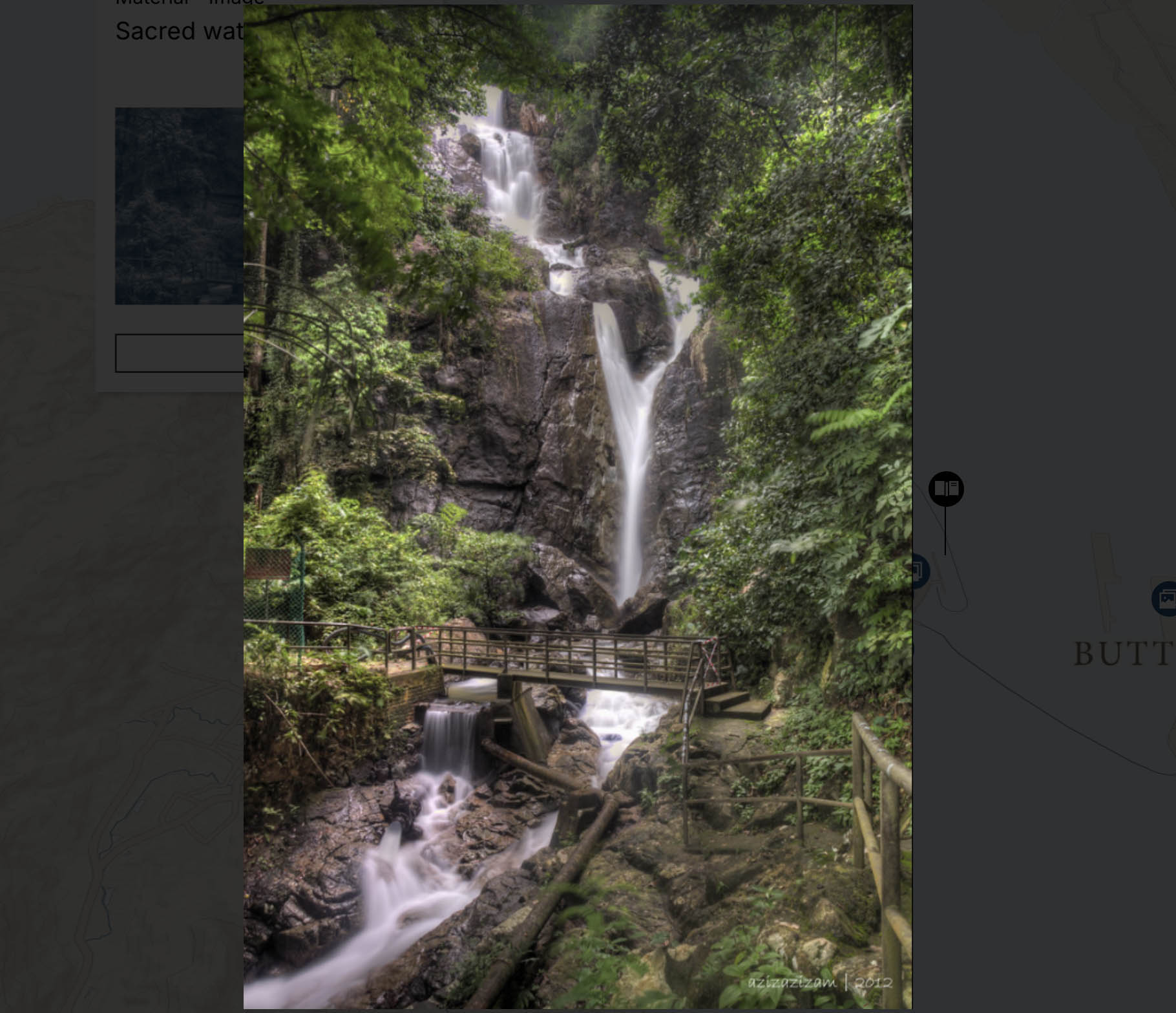
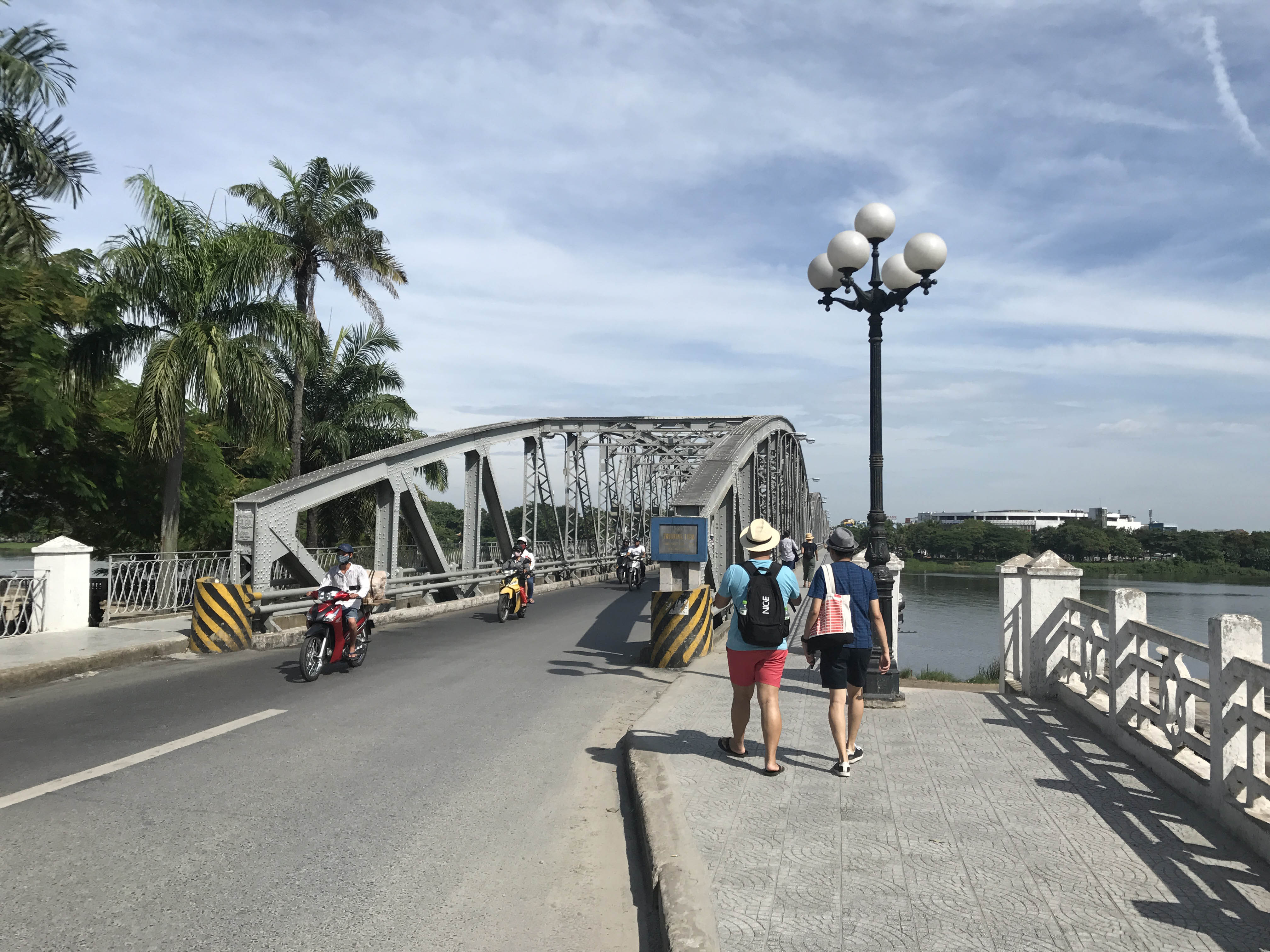
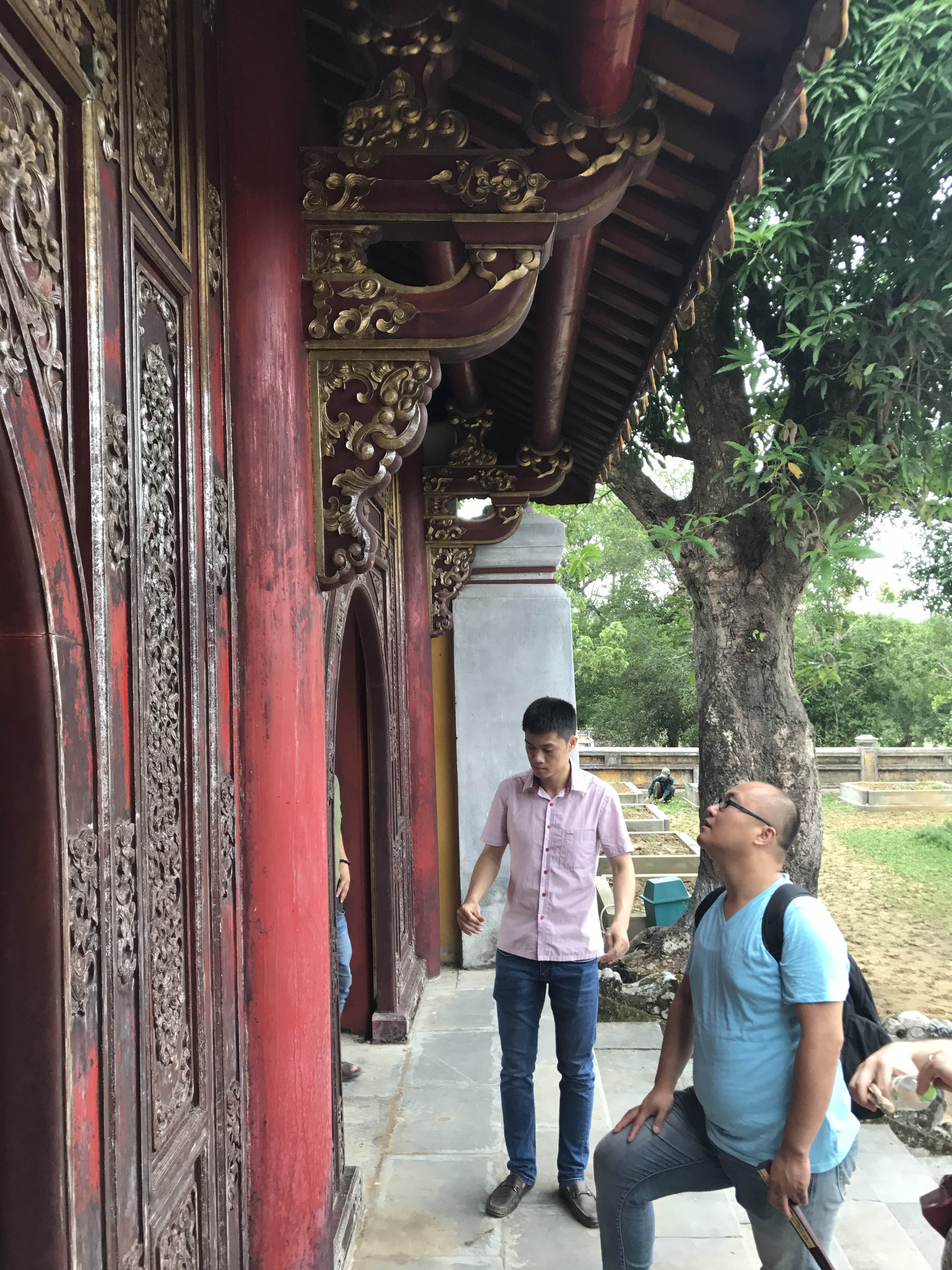
Site and Space in Southeast Asia was the second major research project led by the Power Institute at the University of Sydney under the auspices of the Getty Foundation’s Connecting Art Histories Initiative. Site and Space in Southeast Asia was organised in partnership by researchers at Sydney, Nanyang Technological University, and National Gallery Singapore, in collaboration with a team of researchers from across South and Southeast Asia, Europe, and the United States. The project and this digital publication have been funded by the Getty Foundation, with substantial contributions from the Power Institute through the generosity of Penelope Seidler, the University of Sydney, and others.
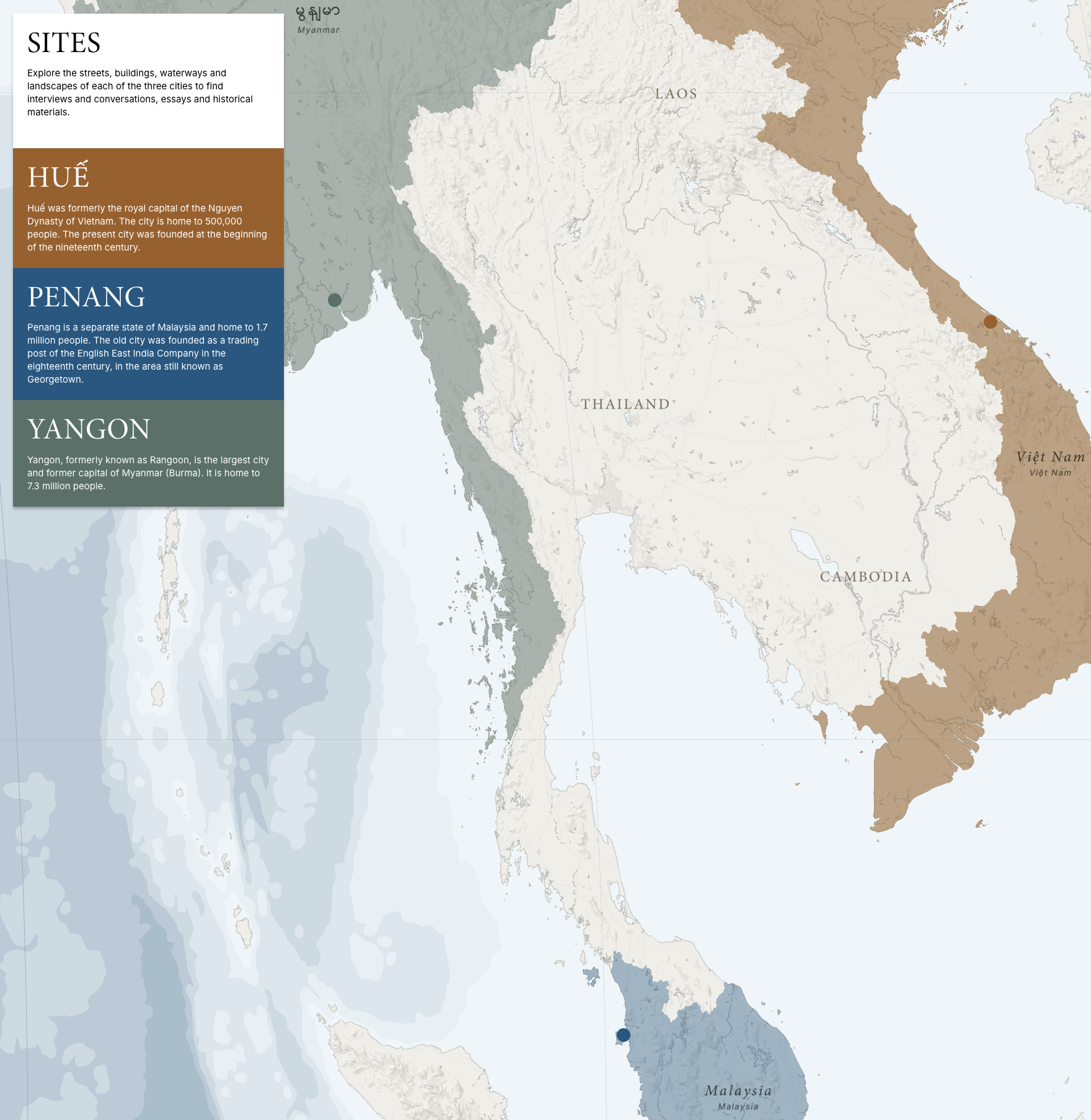
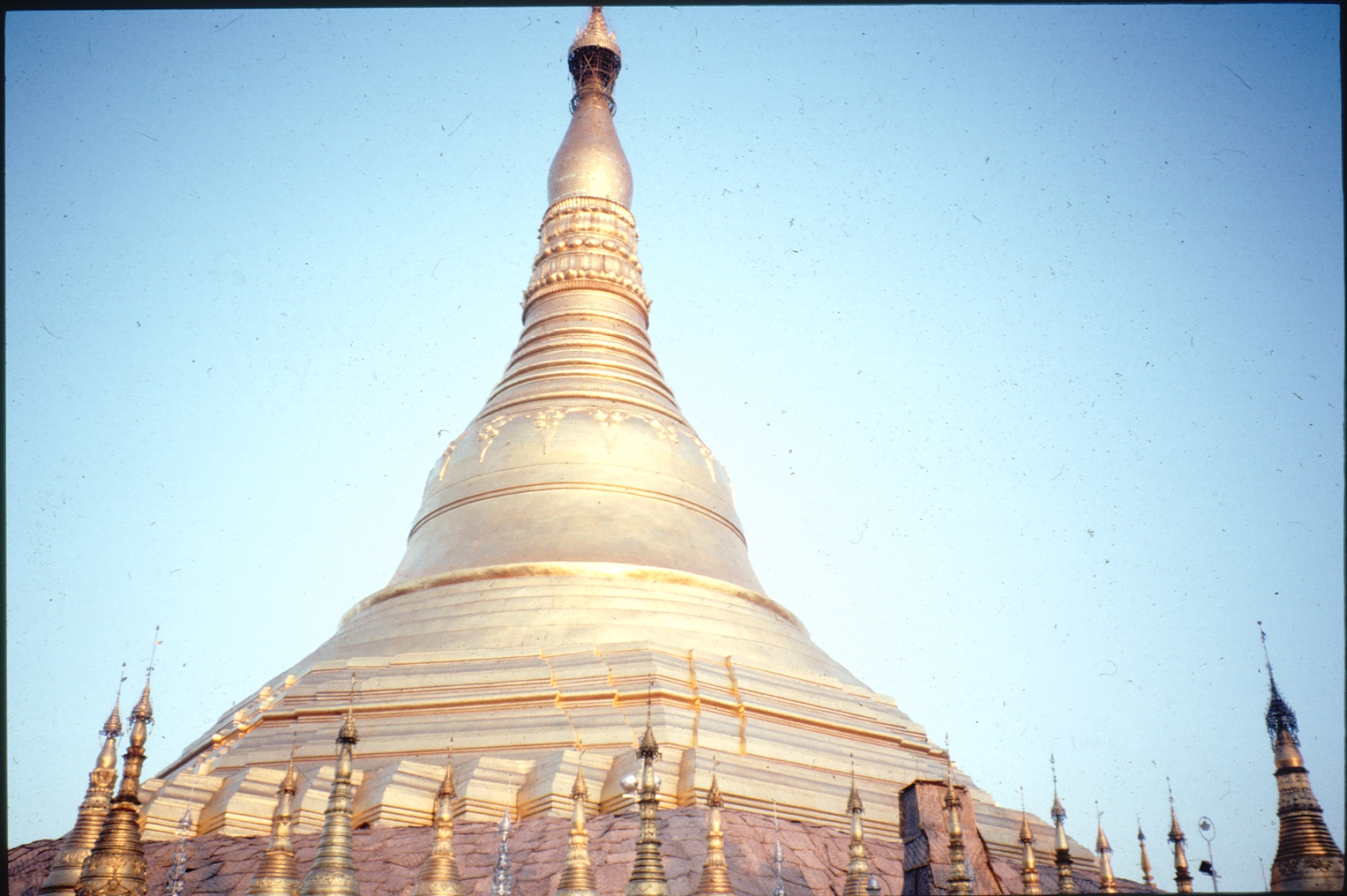
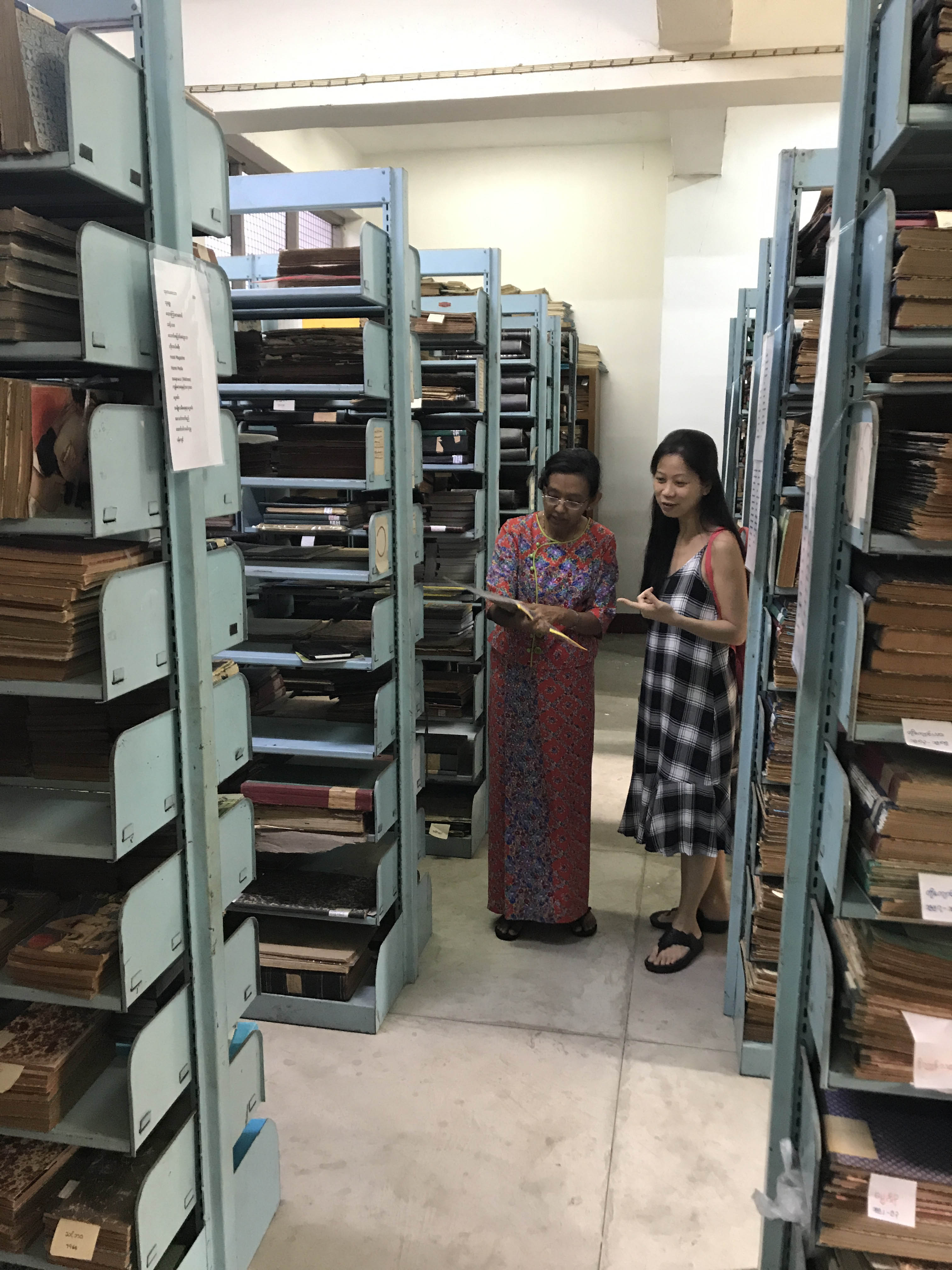
Site and Space in Southeast Asia was organised around three cities in Southeast Asia—Huế, Vietnam, Penang, Malaysia, and Yangon, Myanmar—selected for the diversity of their histories and contemporary cultures, as well as their connections and similarities. Teams of scholars worked together in the region in 2018 and 2019 to explore streets, rivers, burial grounds, neighbourhoods and temples in their respective cities.
IMAGE GALLERY: Collaborative fieldwork
Collective explorations and transdisciplinary exchanges
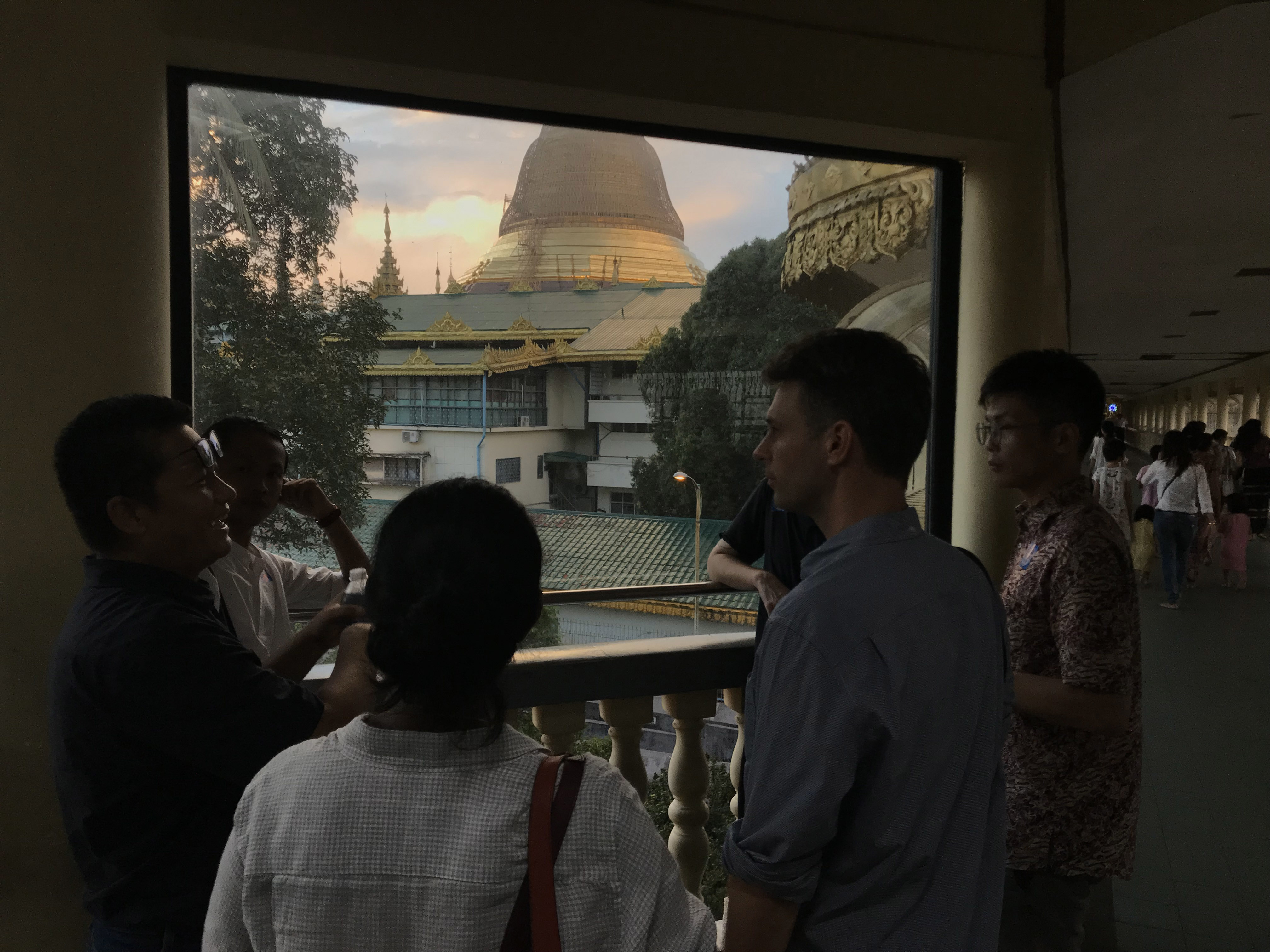
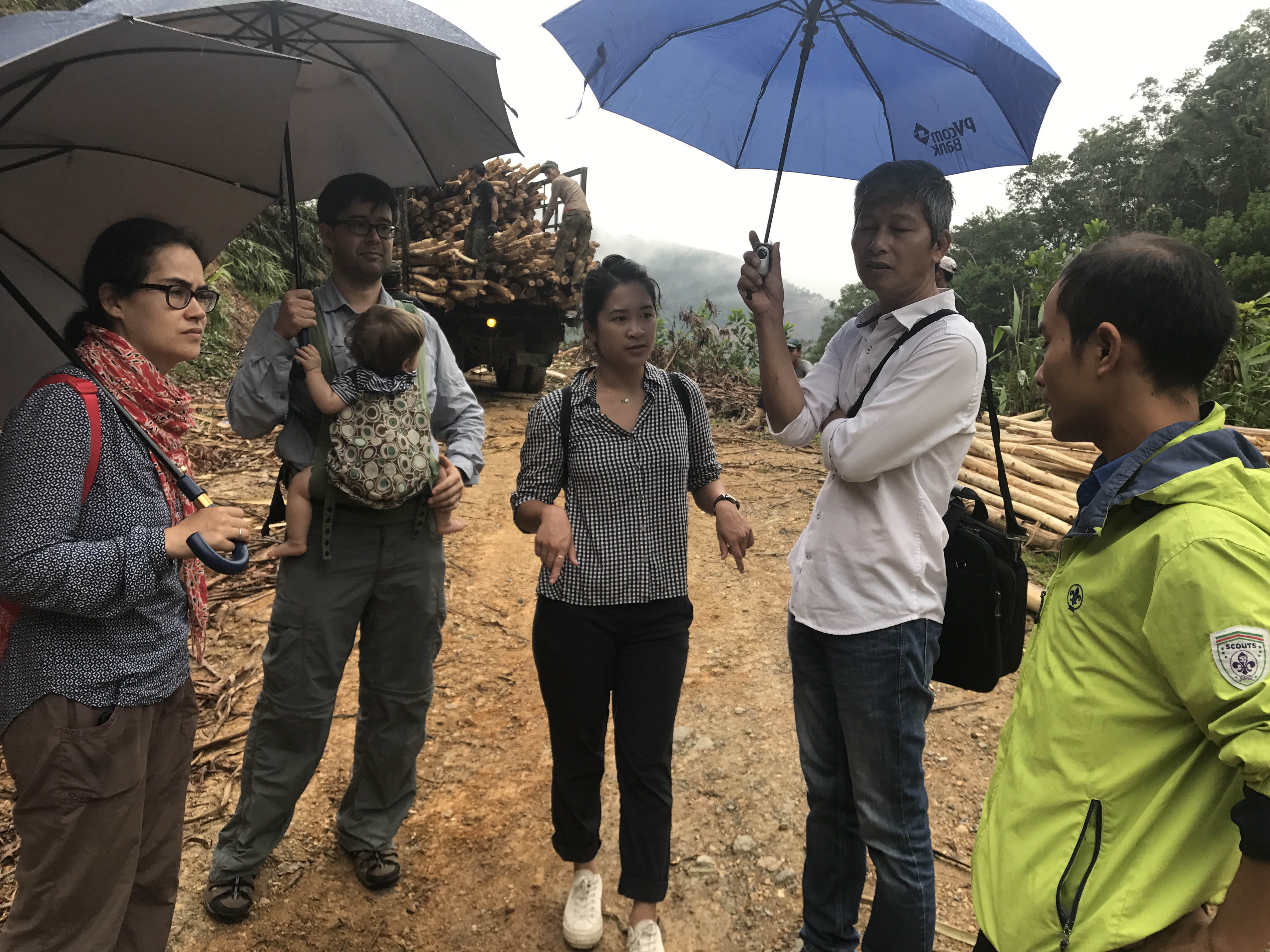
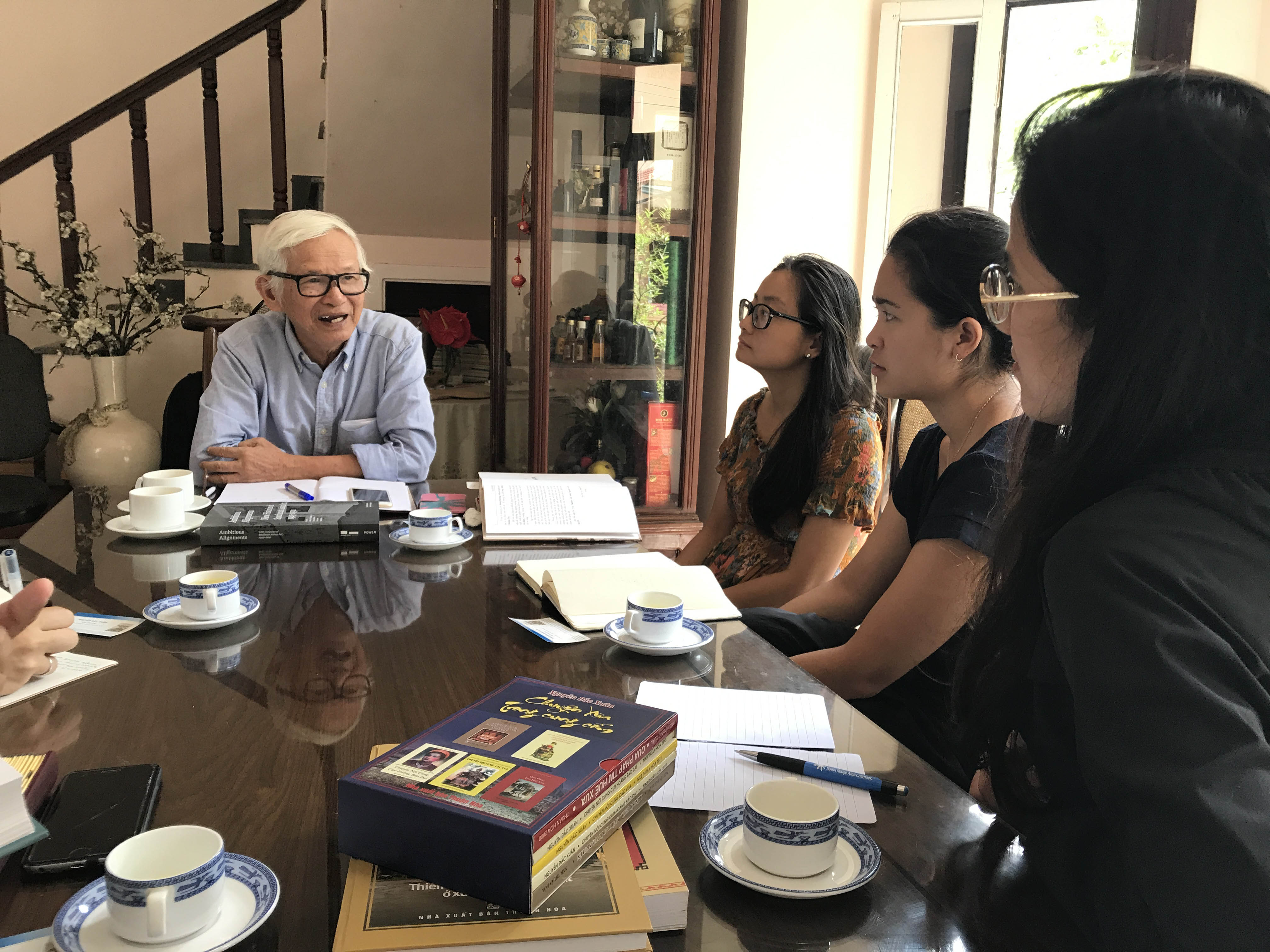
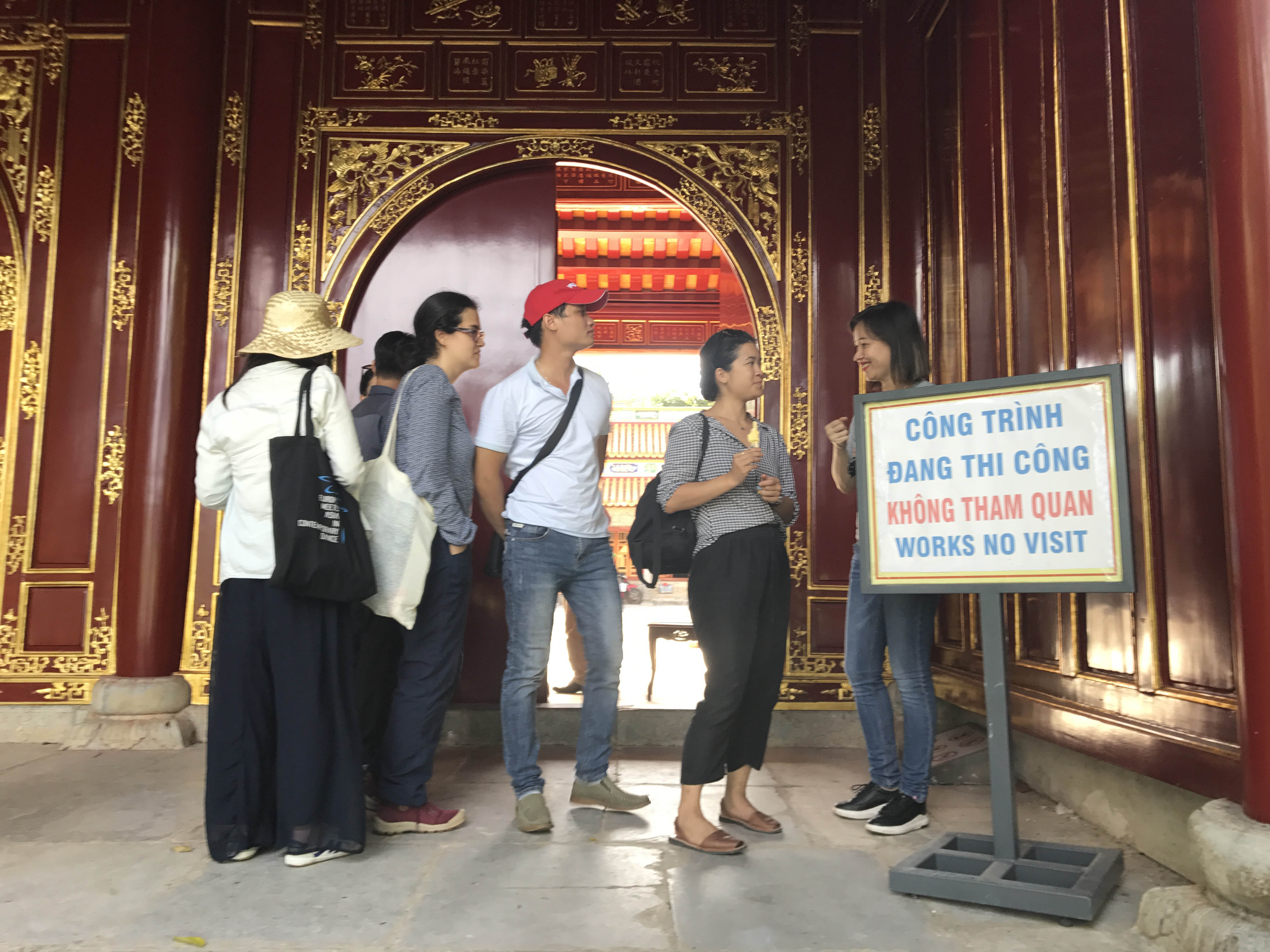
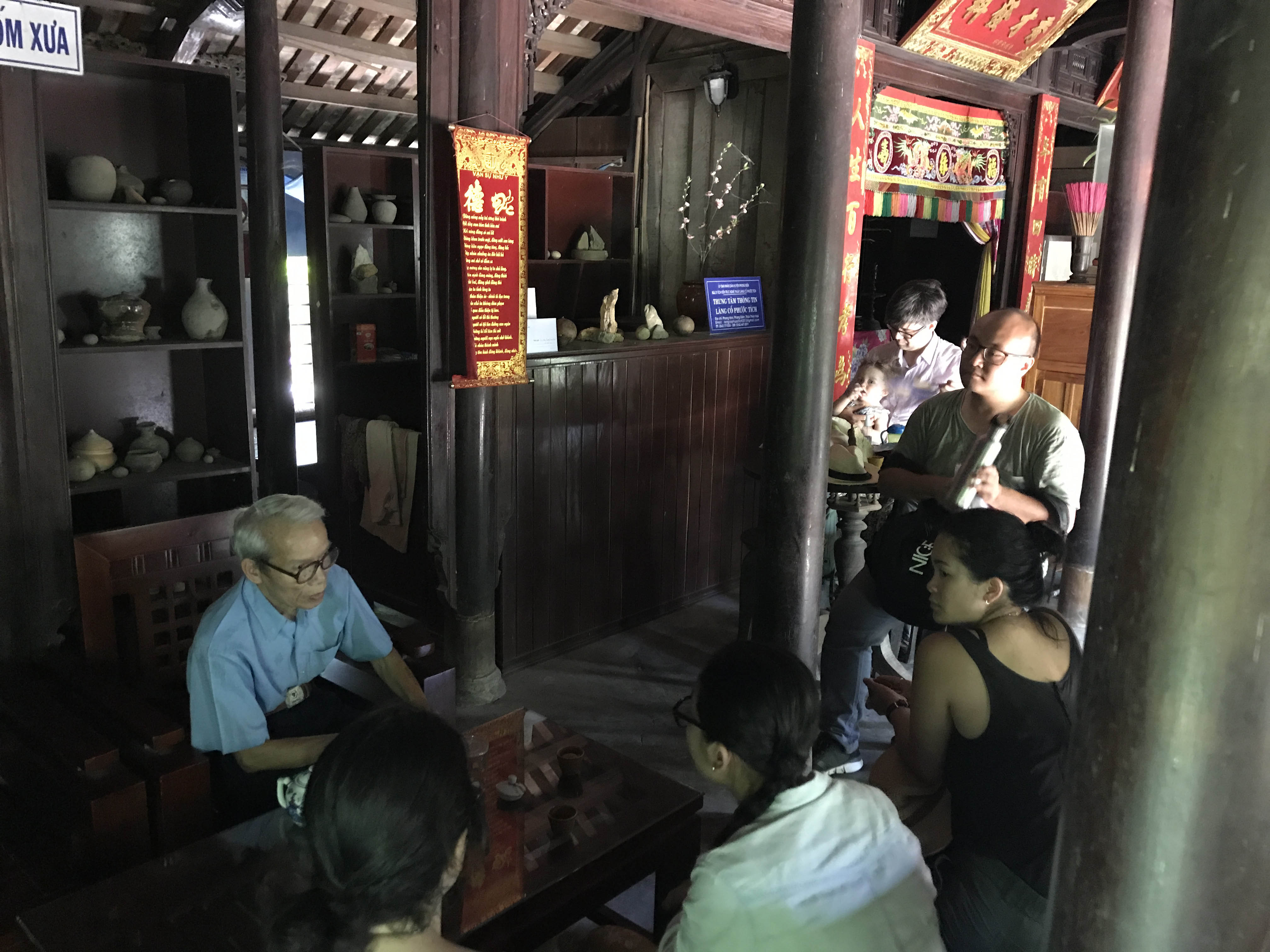
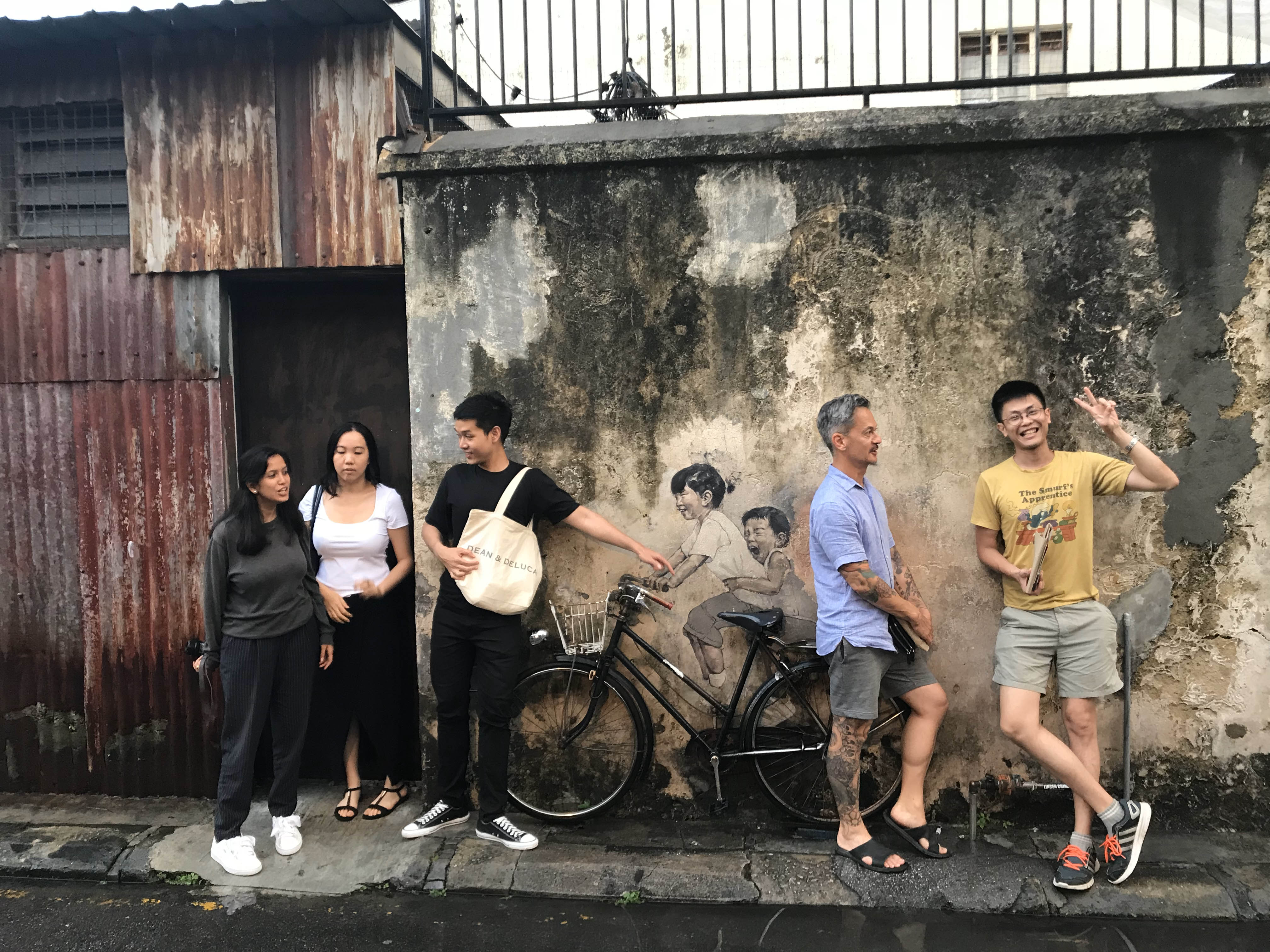
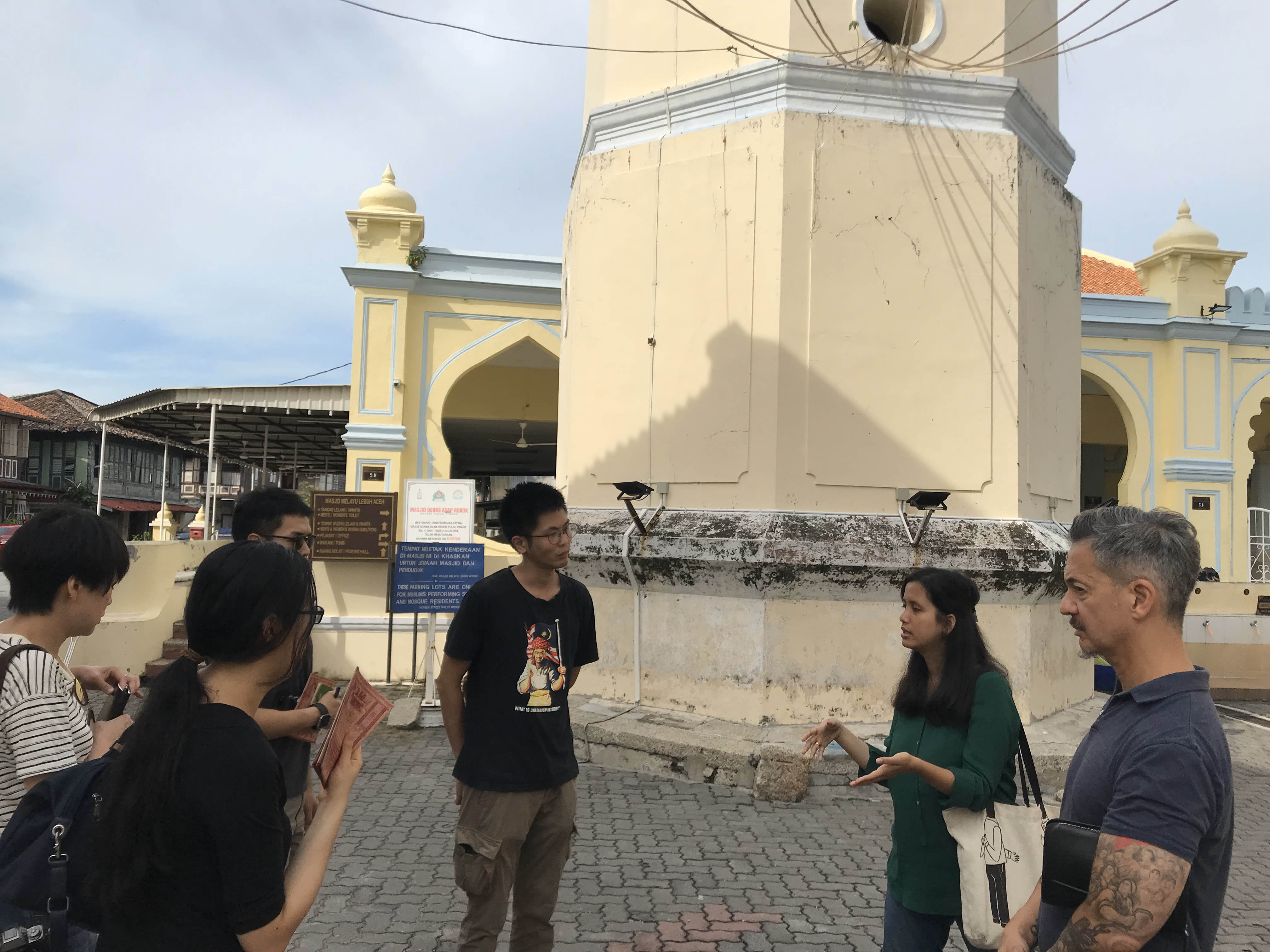
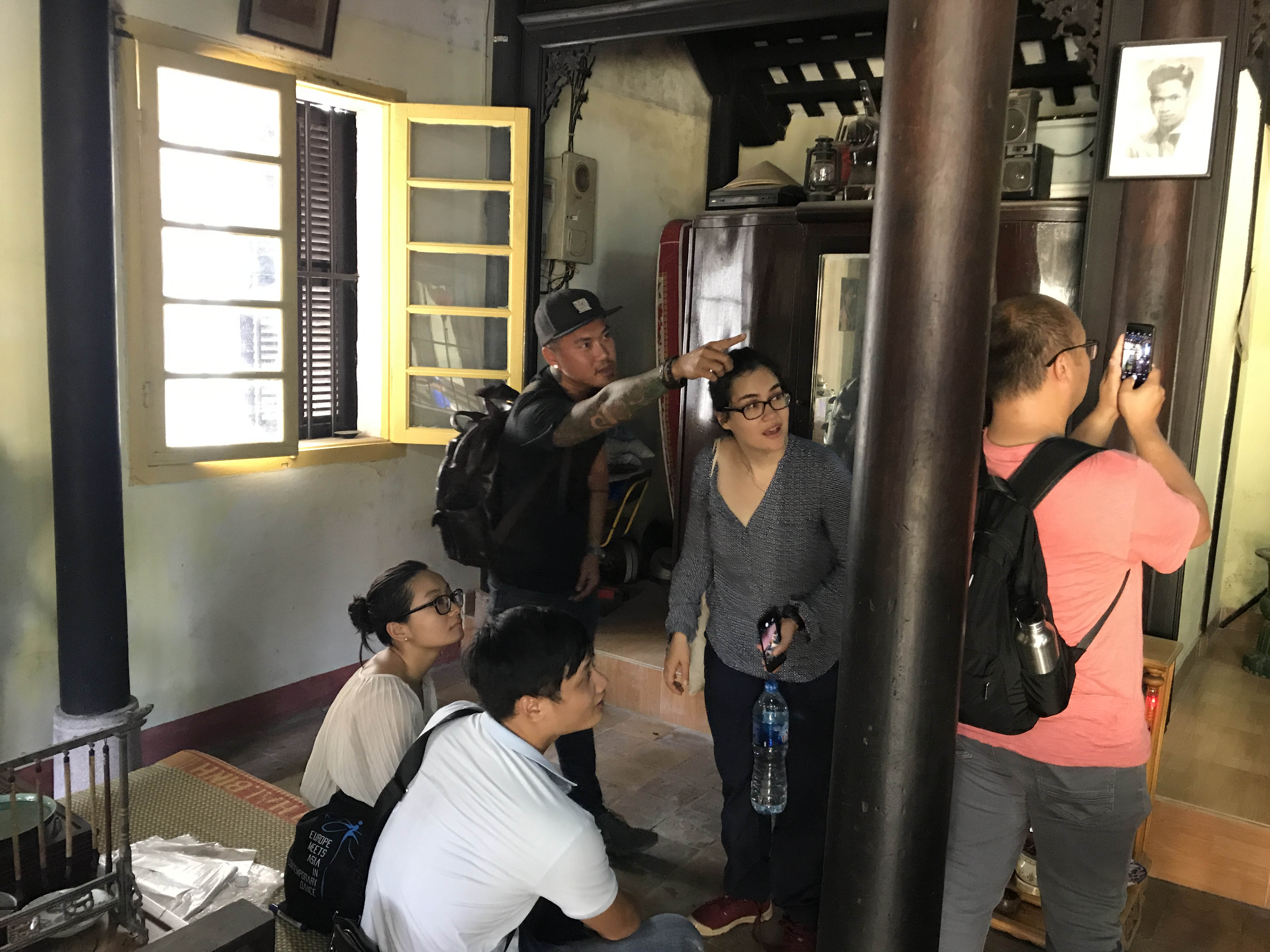
As historians of art, design, architecture, and the urban environment, the researchers all engaged with cities and their hinterlands as sites that generate cultural narratives, with each considering how spaces of memory, interaction, and production generated historical narratives rooted in the local. With research collectively covering a chronological span from the colonial period through independence and into the contemporary, the project represents a period of dynamic transformation for a region that has often experienced divergent and even violent political and social development; indeed the project’s possibilities in Yangon were greatly affected by the ongoing civil and political turmoil in Myanmar.
Over the course of a three-year research period, over which COVID-19 cast a long shadow, the scholars involved in this project worked collaboratively in small city-based teams to conduct field and archival research exploring the physical and cultural histories of the three project cities, with a particular interest in their artistic and built environments. As visitors to this site will discover, our researchers used a variety of methods and approaches drawn from different specialisms across heritage, art, architecture, archaeology and landscape studies to explore the interconnected cultures and environments of urban spaces.
IMAGE GALLERY: A selection of maps and mapping processes
Interpreting spatial representations and spatialising knowledge
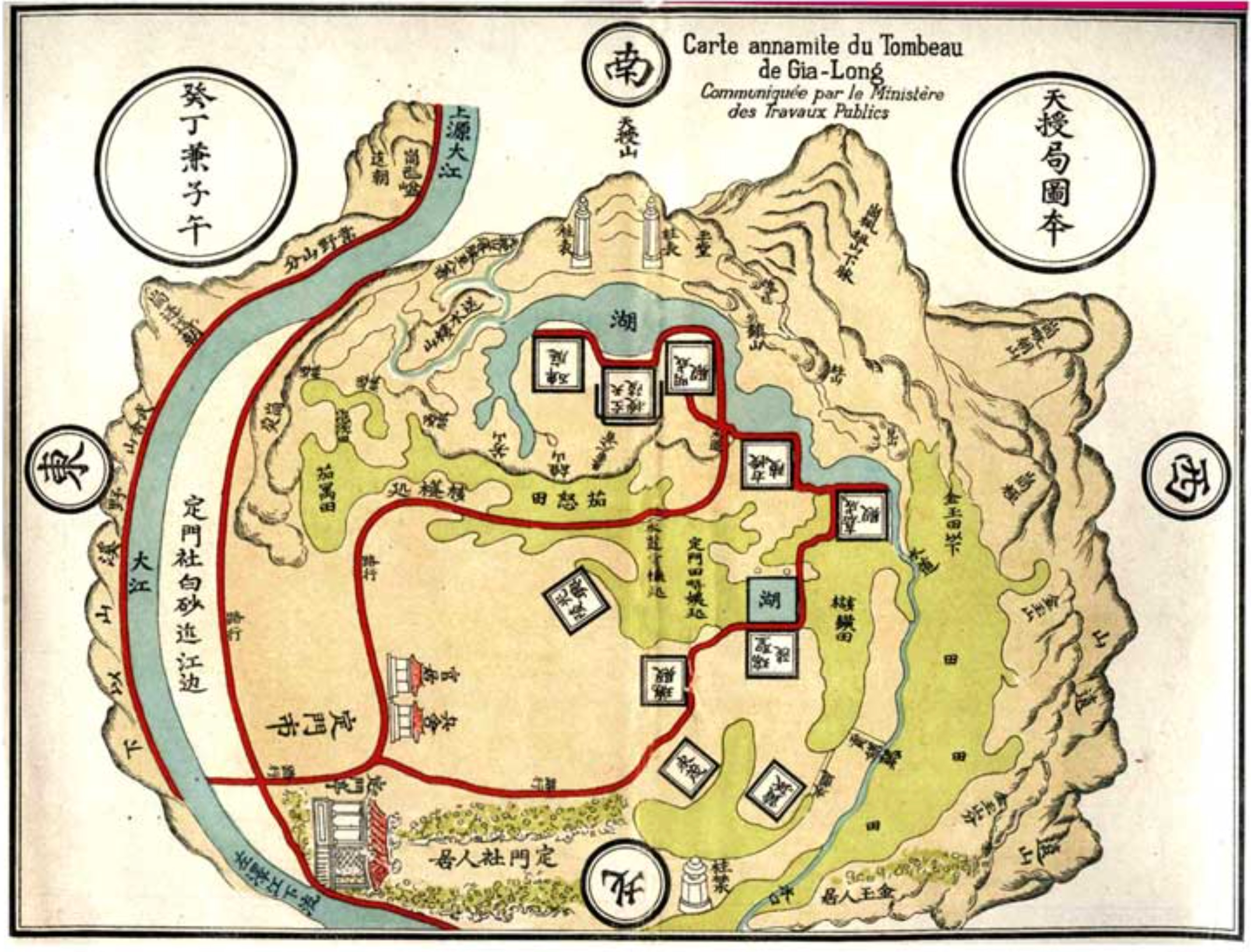
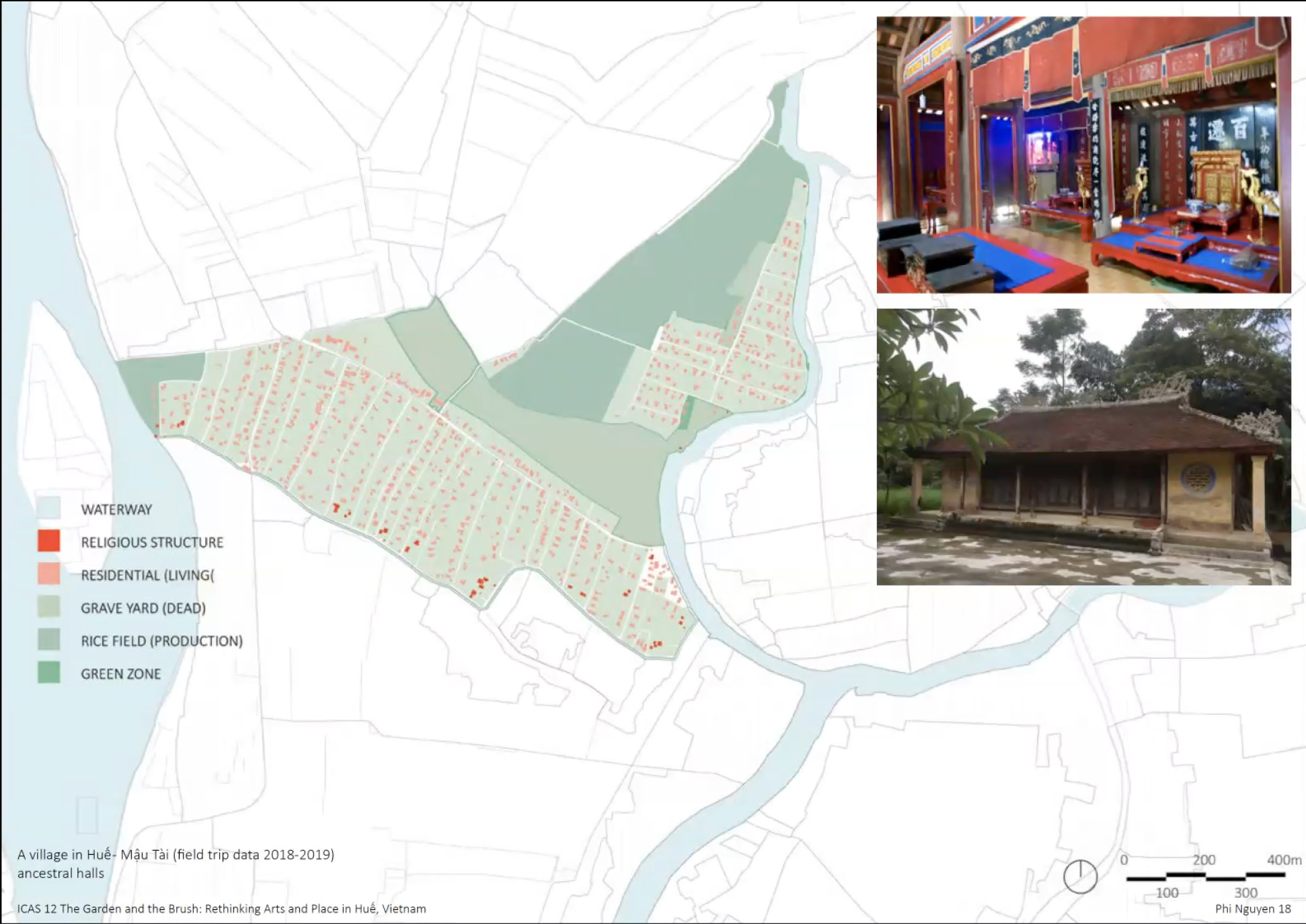
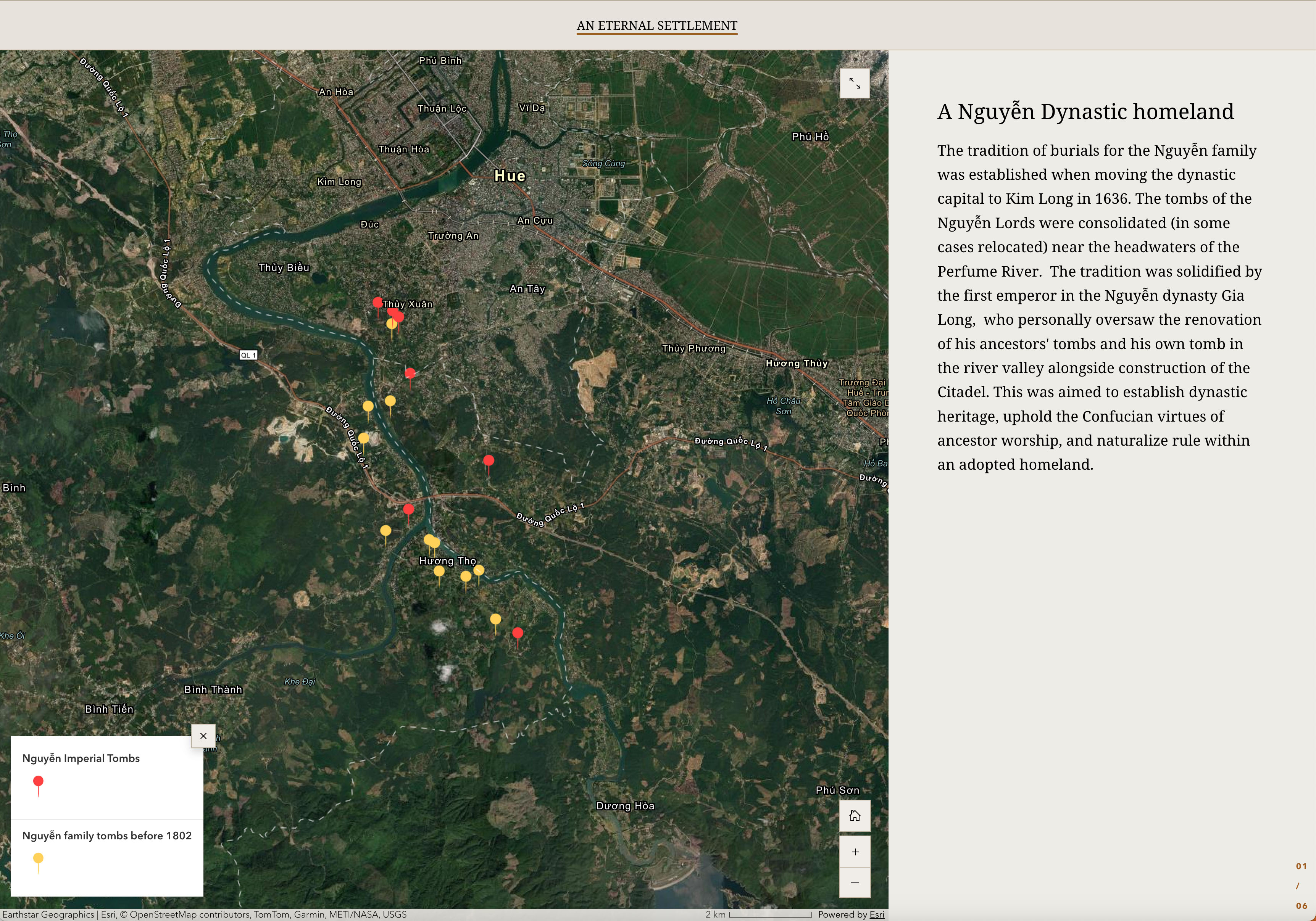
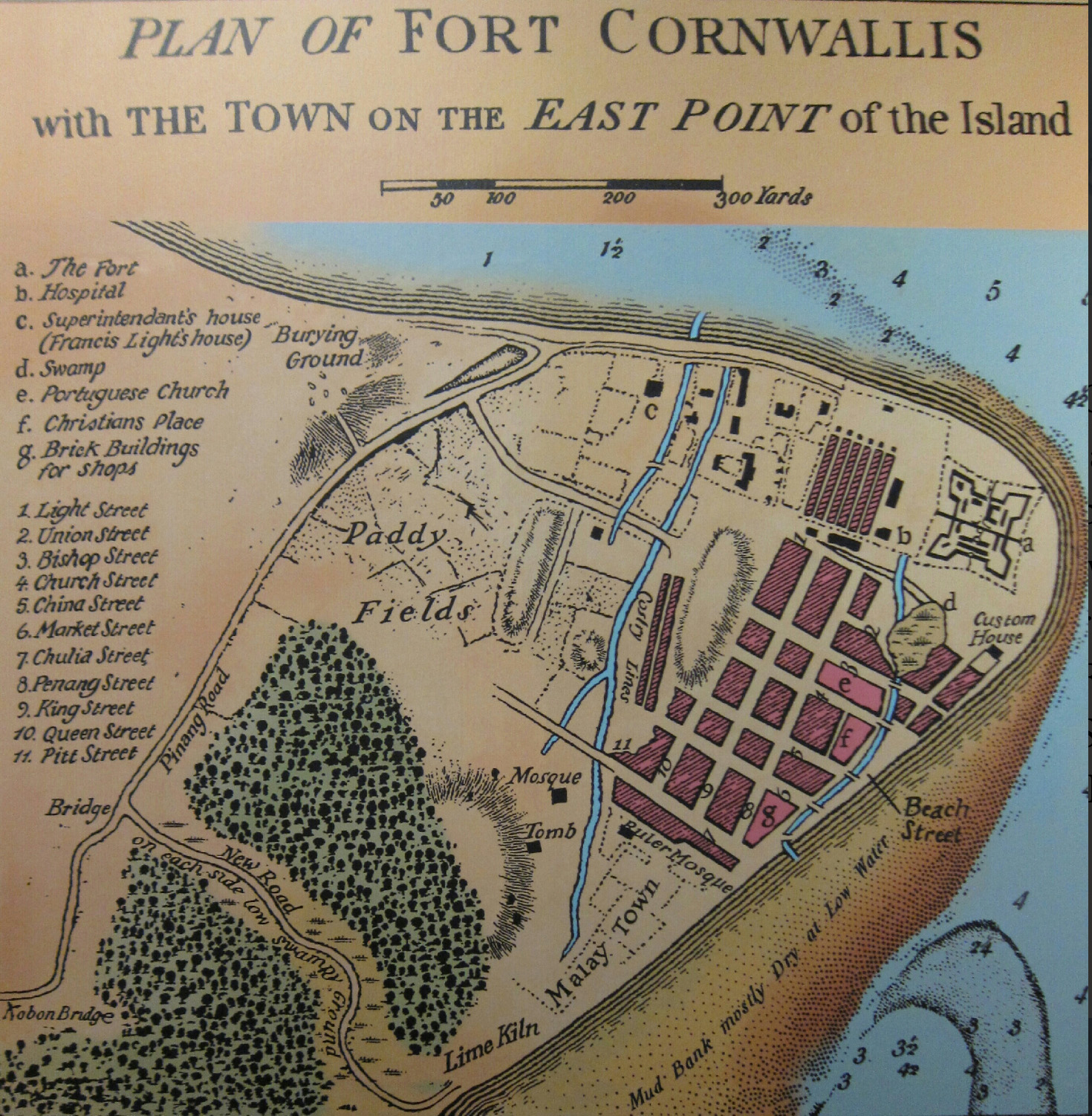
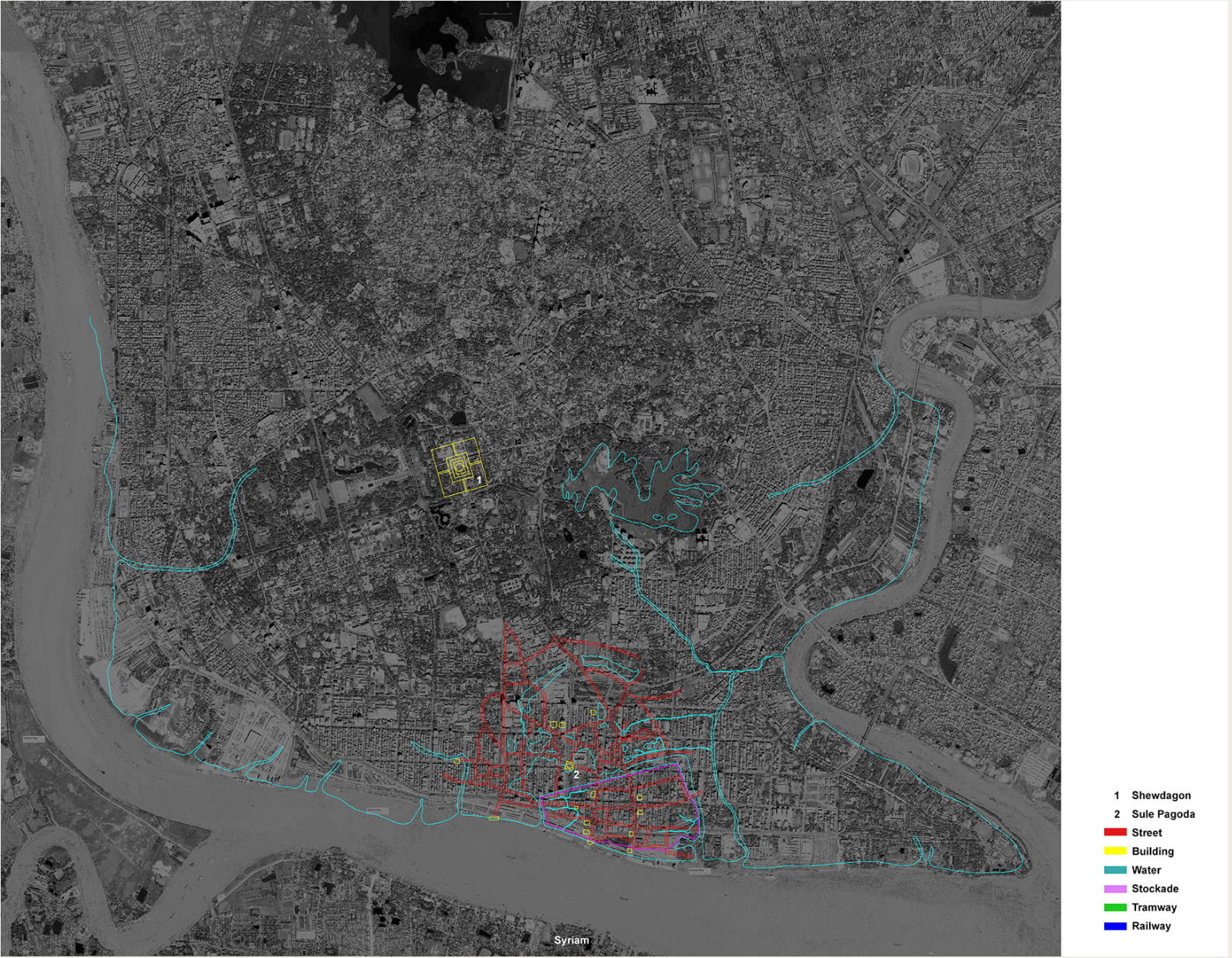
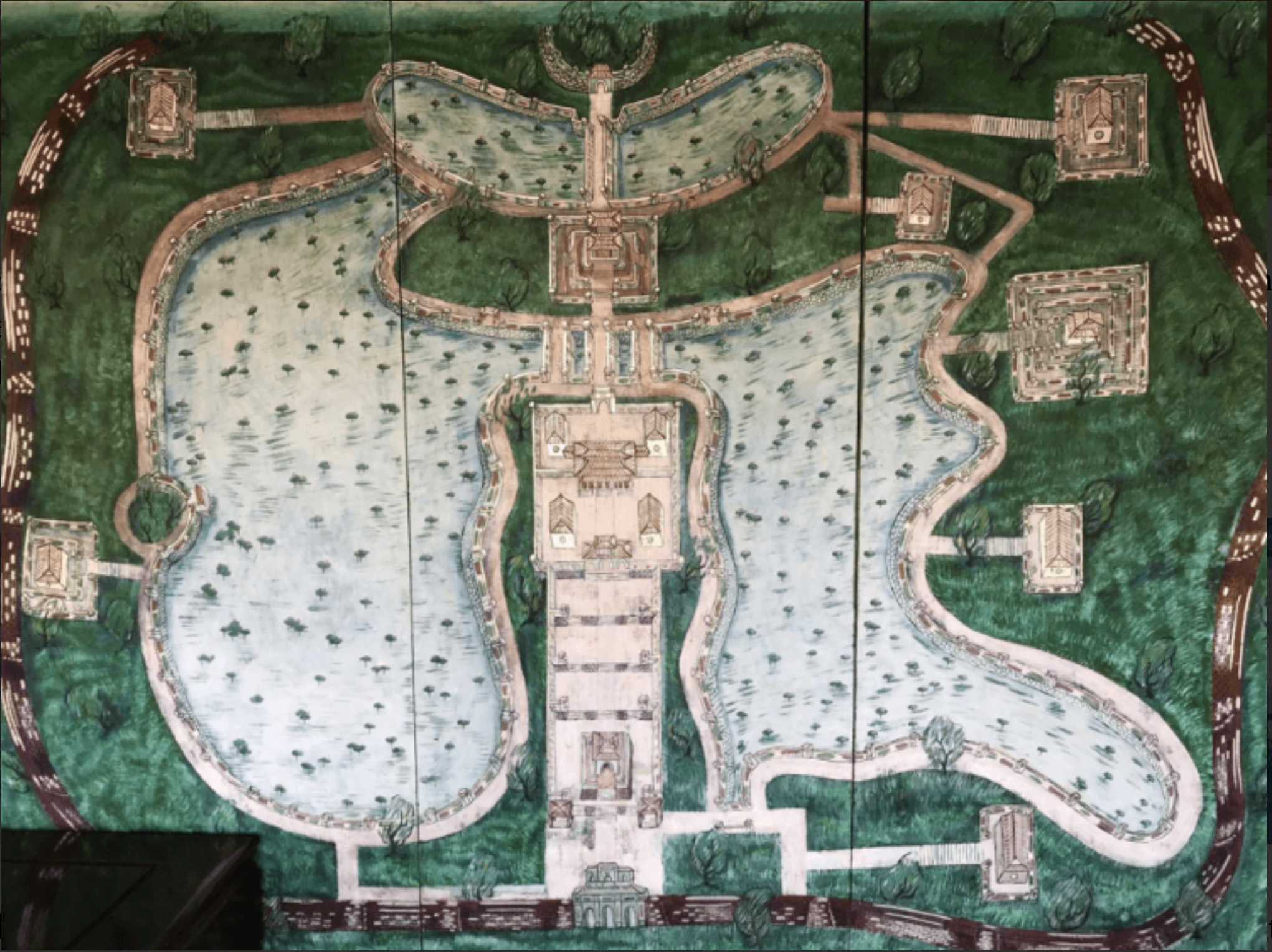
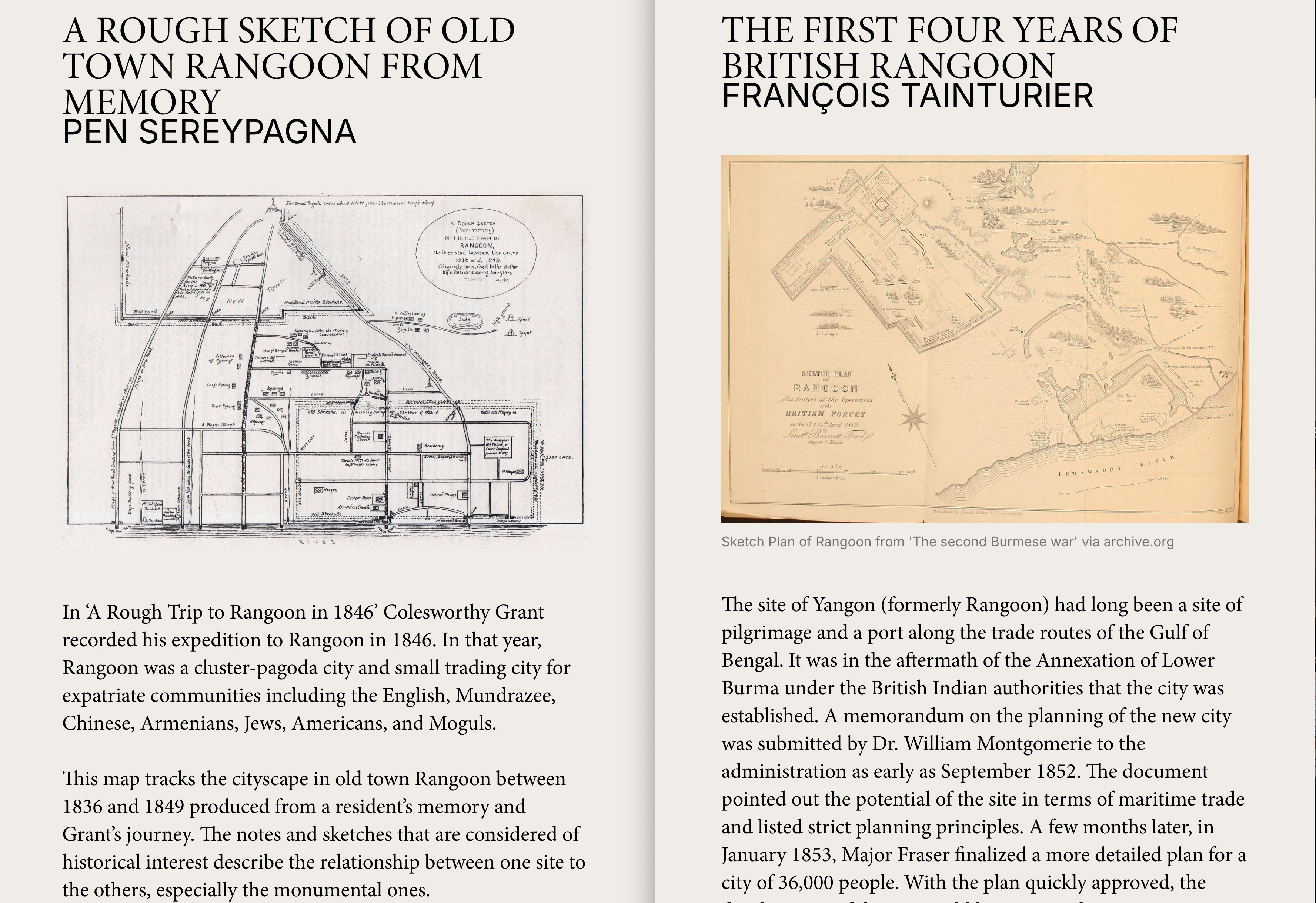
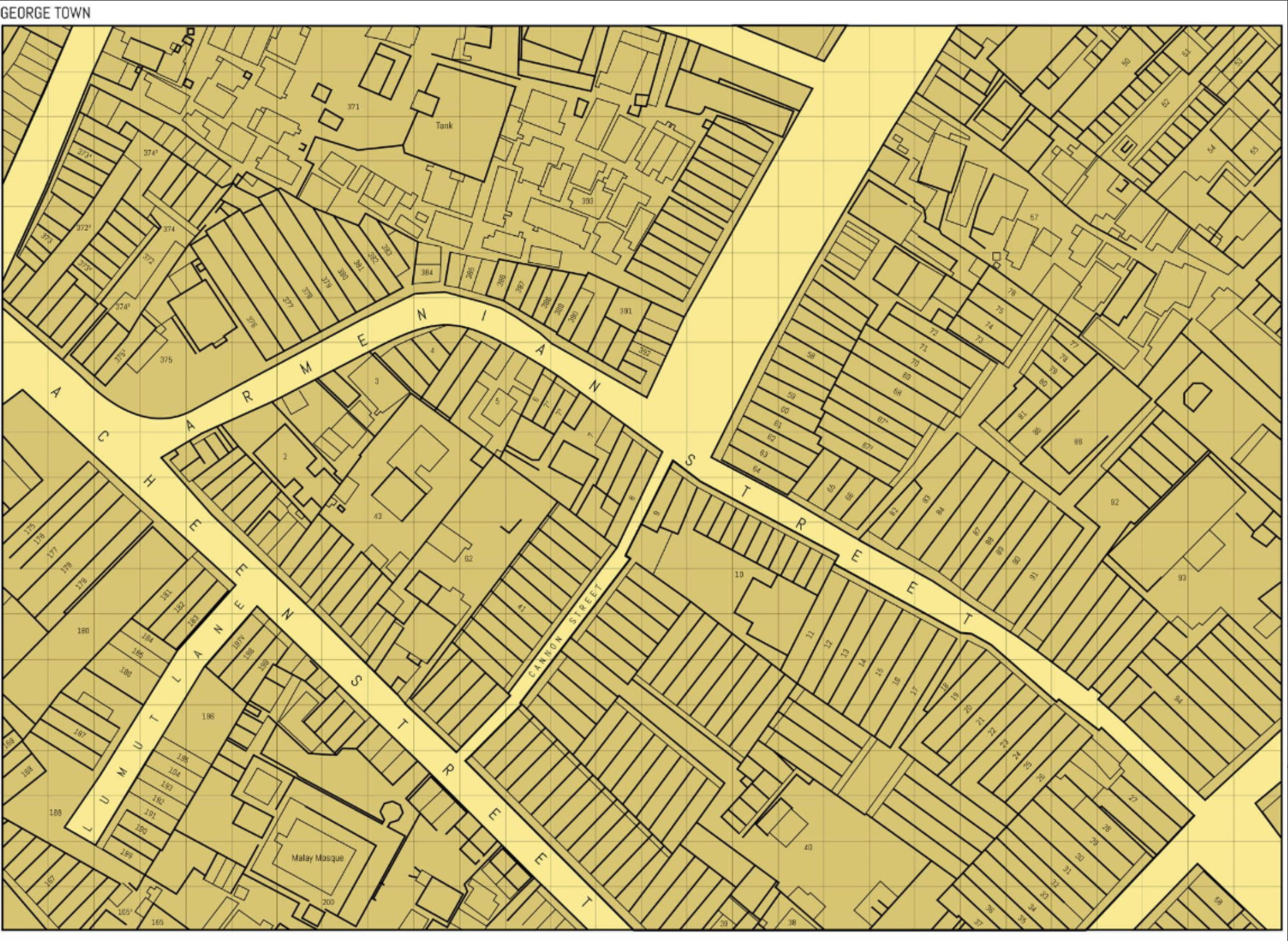
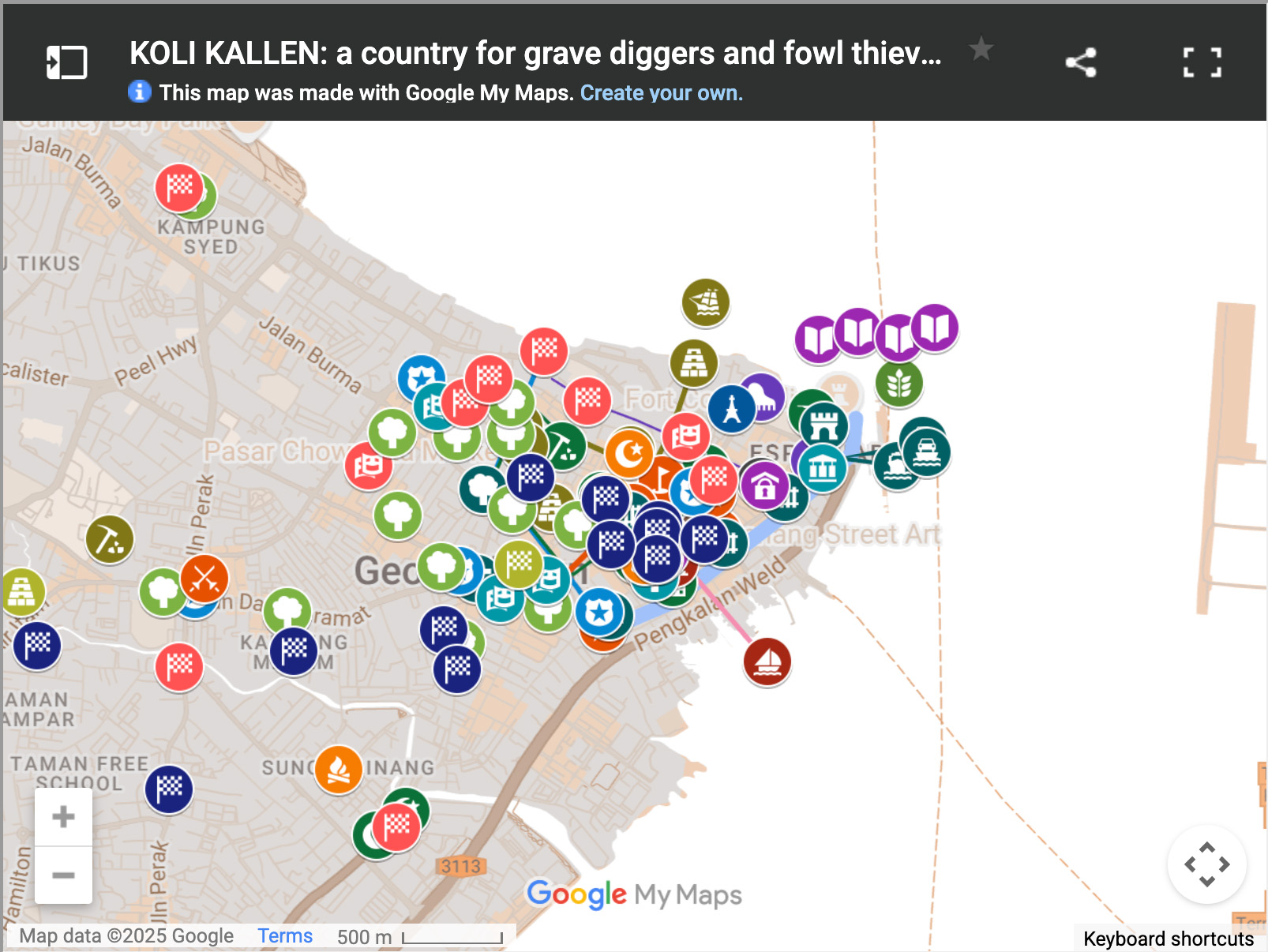
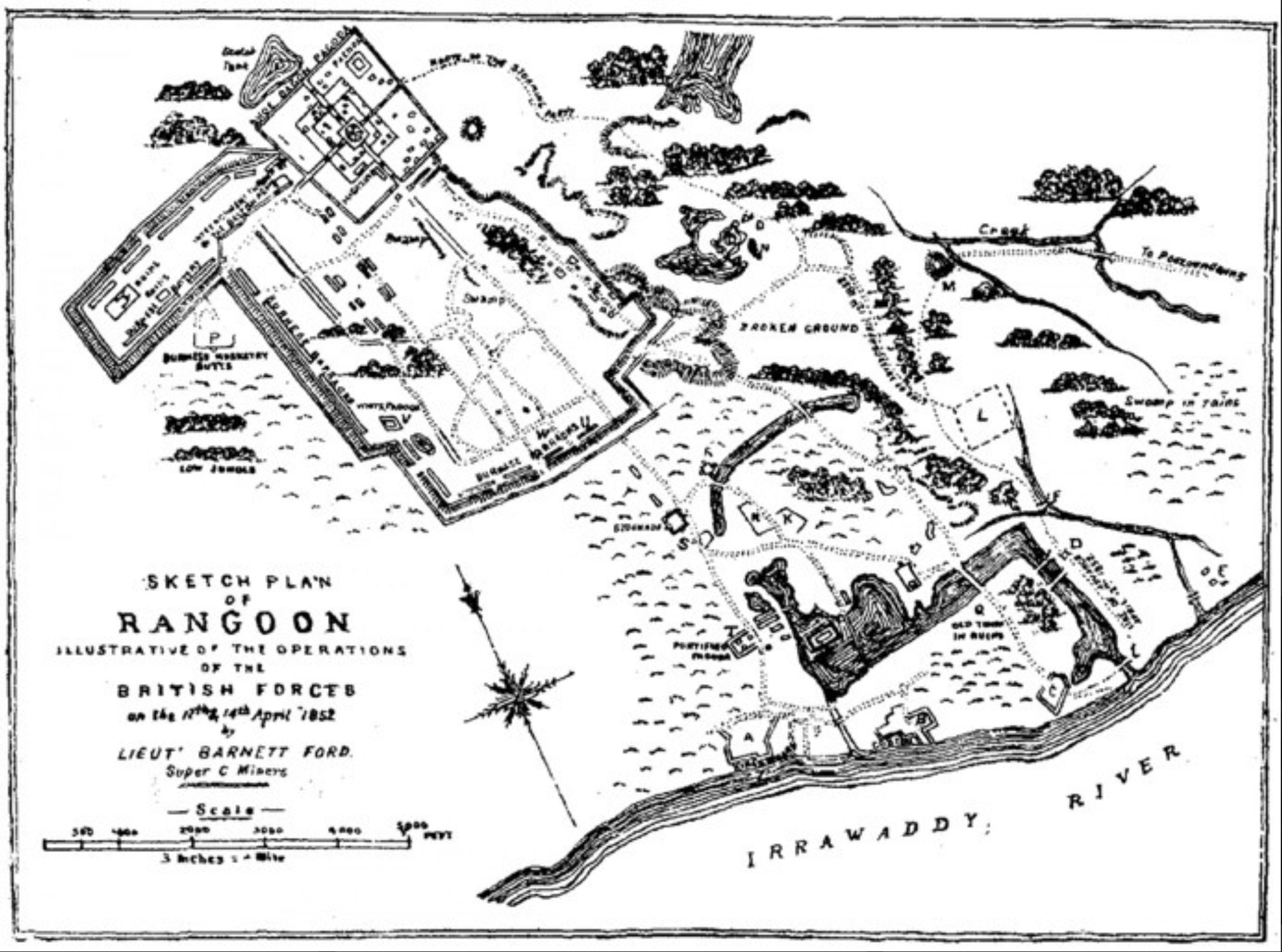
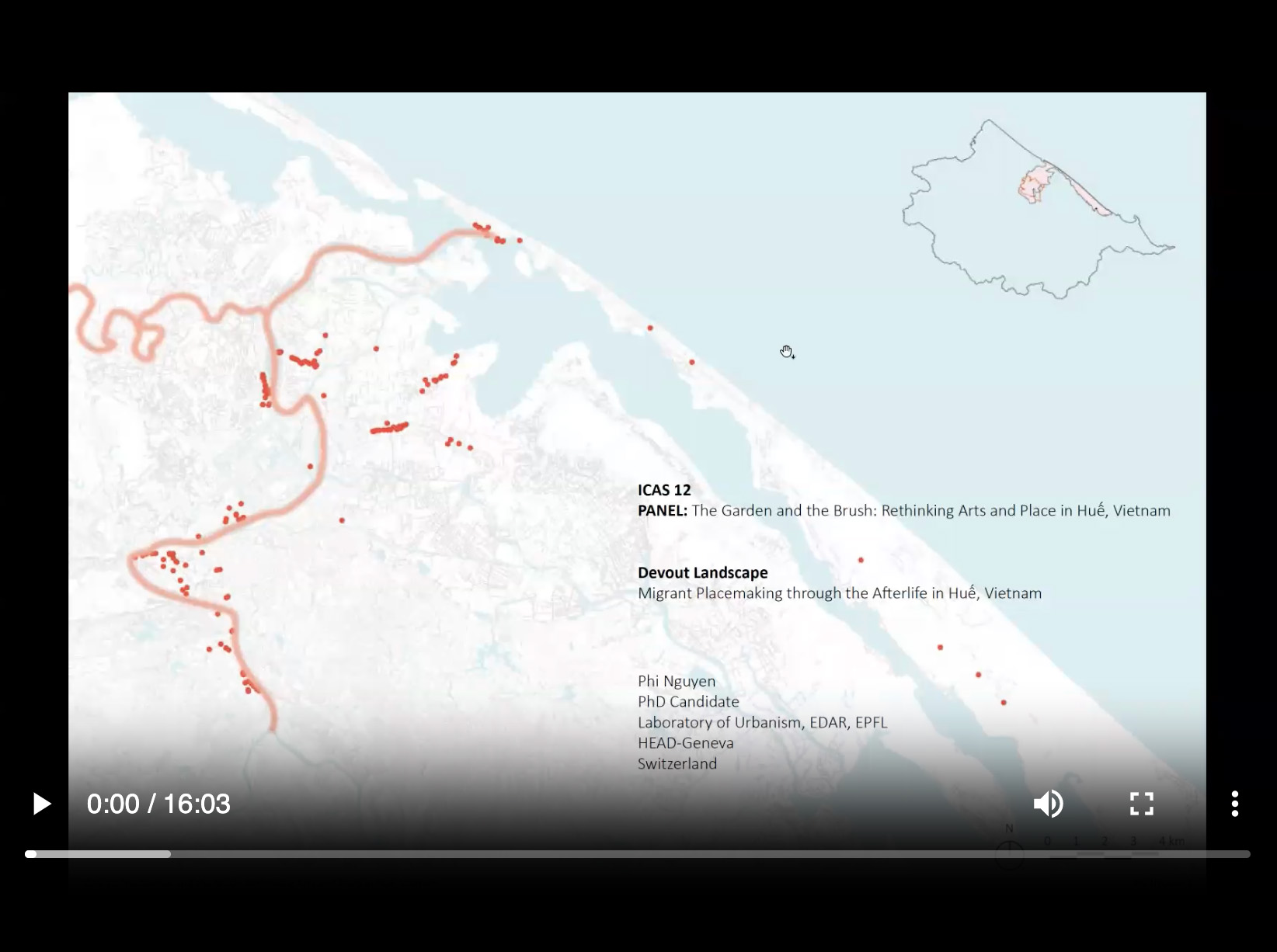
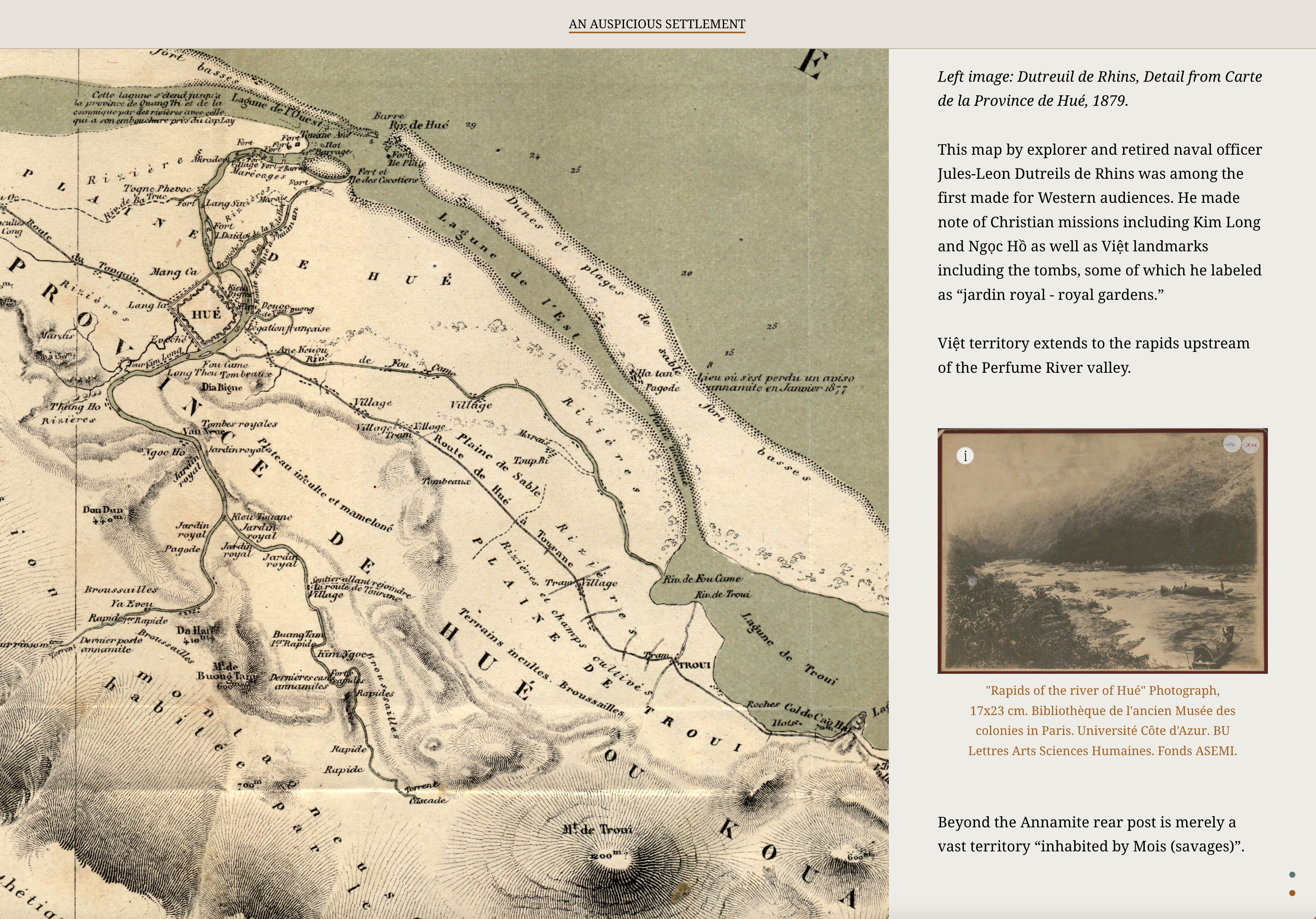
This variety of methods and approaches has produced diverse contributions. These include a series of storymaps that show patterns of Armenian settlement in Yangon, offer multiple perspectives on Huế's 'Perfume River', and, locate a series twenty-seven picturesque imperial views and poems. Another contribution demonstrates how histories in Penang can be layered using Google maps. The map-centred methodologies were key and this site seeks to reflect that through its design, where visual cues and responsive navigation have been used to create a spatial sense of the layered histories and stories that mark out a city’s landscape and locate readers within them. The digital interfaces and the GIS-based tools used by several contributors also serve as entryways to more familiar ‘analogue’ forms of exploration—the field note, the essay, the photo, the recording—that represent the fruits of direct encounters with, and analysis of, the urban fabric, as well as of later meditation and archival work.
IMAGE GALLERY: Field-based reflections
Sharing researcher reports and process posts
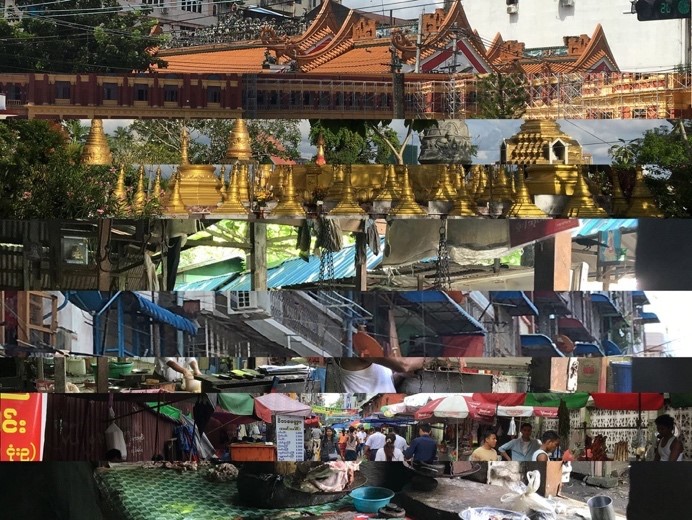
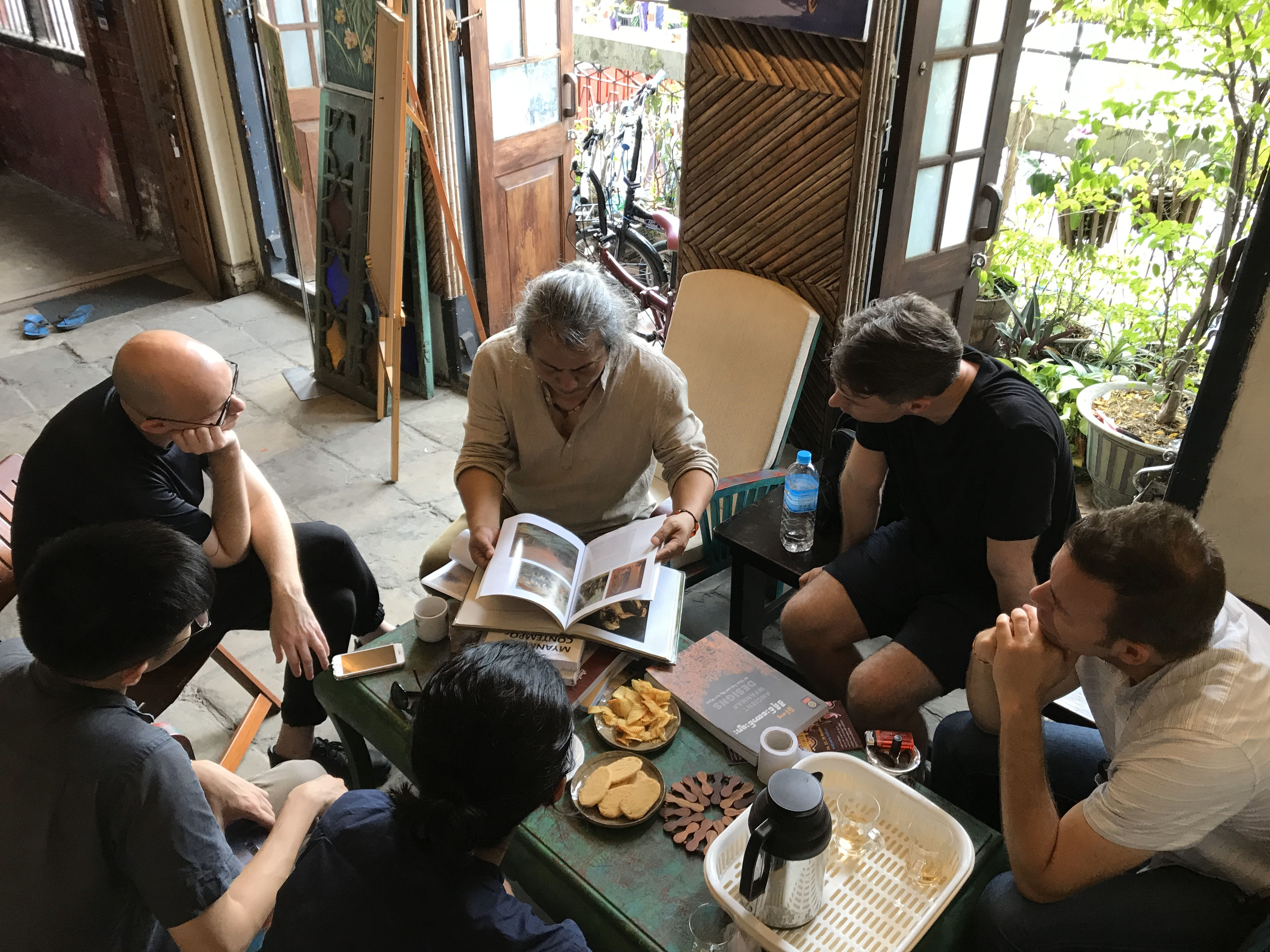
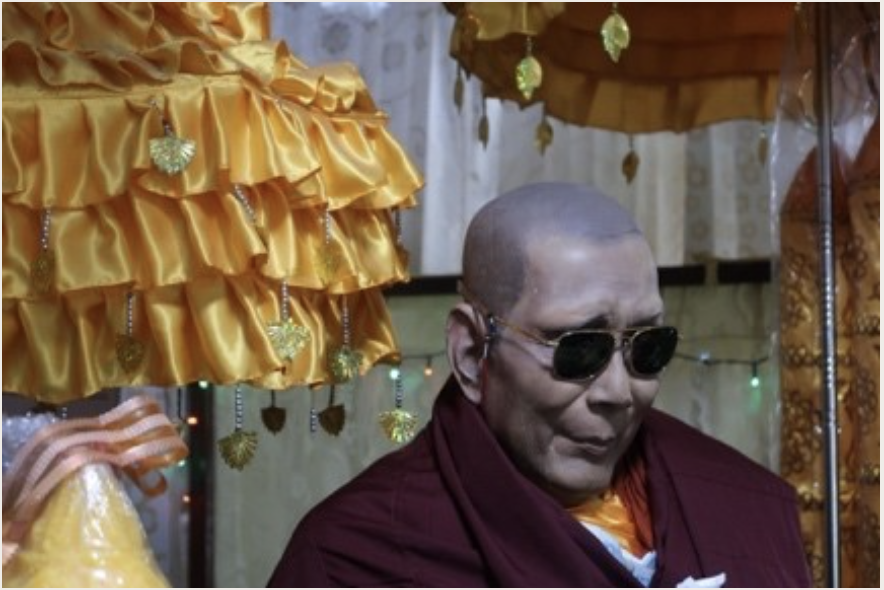
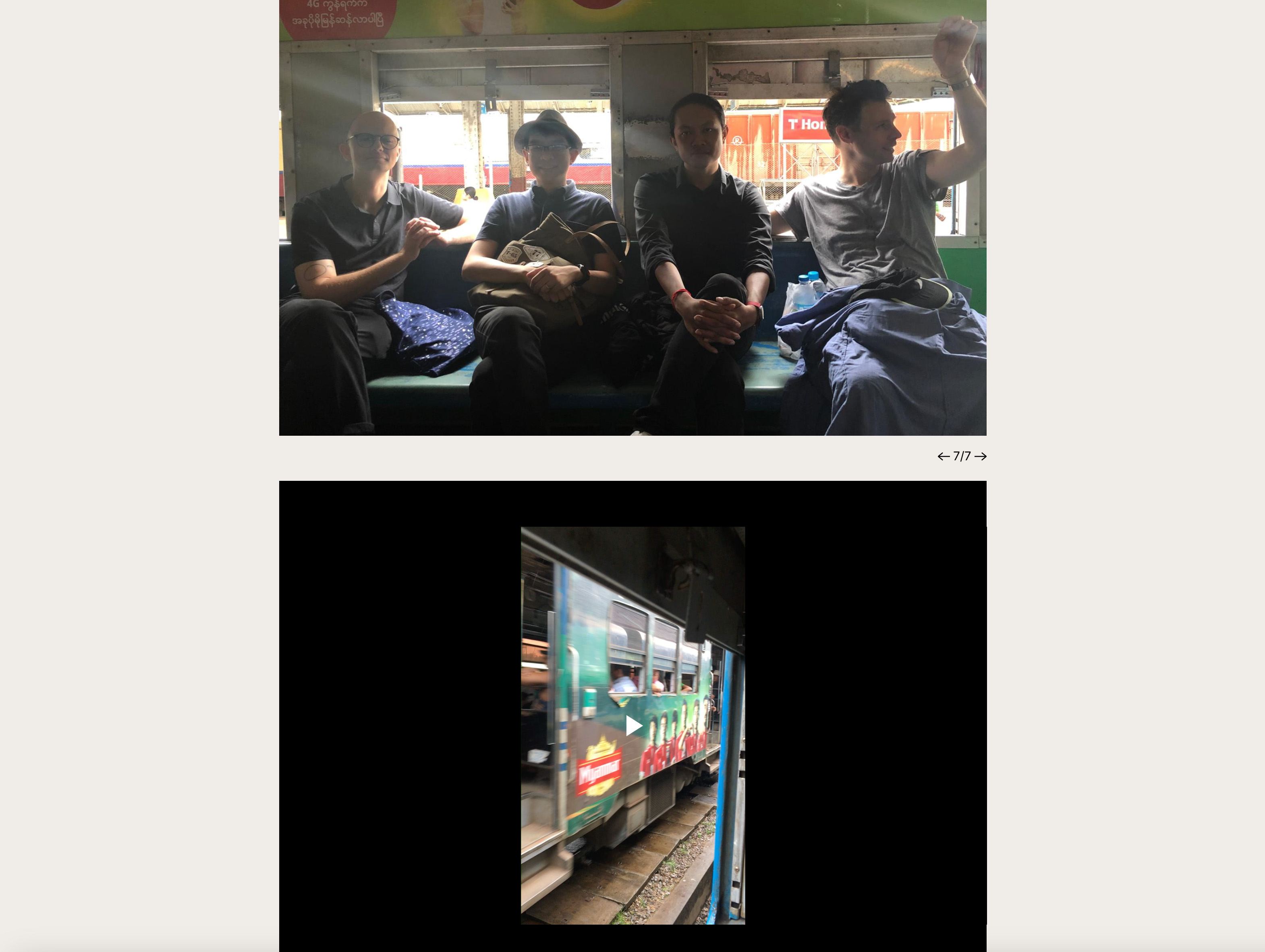
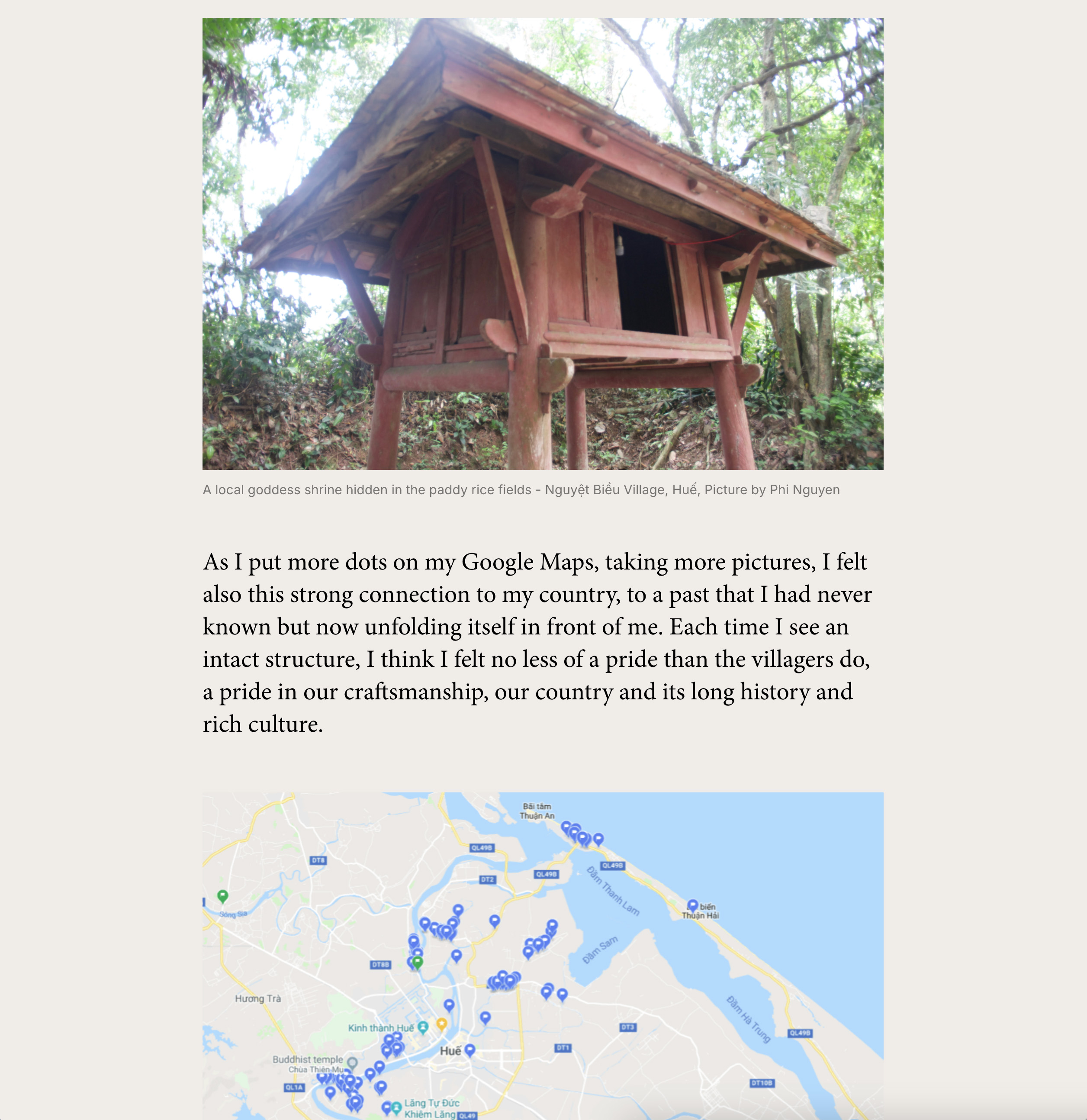
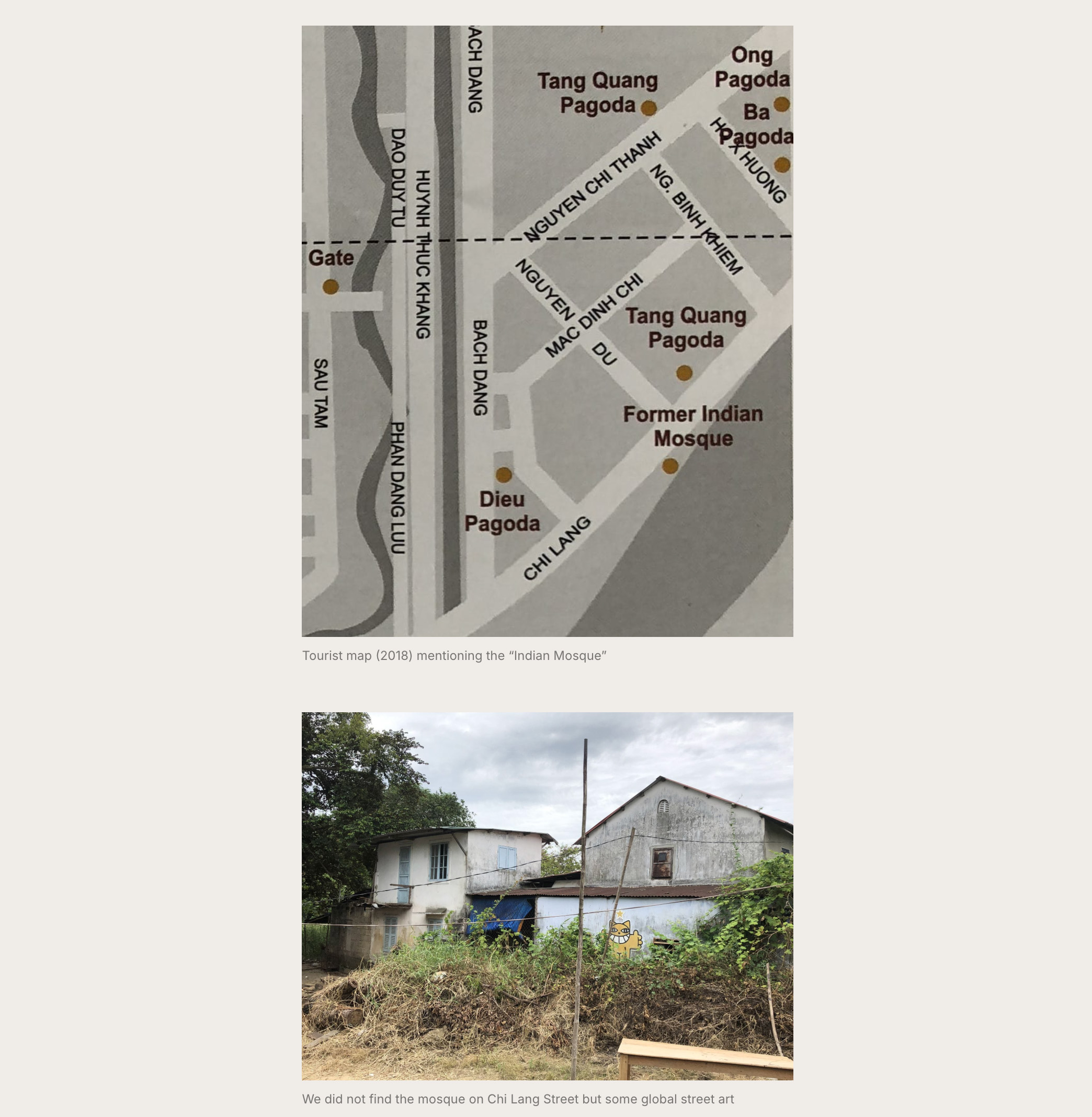
During the project’s site visits and in the periods between, the teams shared their findings and contributed ideas-in-progress to a project website designed and produced by Hedren Sum, then Digital Scholarship Librarian at NTU. Traditional forms of academic anthologising, produced after the fact, usually require such materials and field reports of an original blog to become fodder for, but separated from, a final written output. Keeping the shared experiences of these sites close, however, this publication presents materials uncovered alongside content produced, and offers reflections that emerged both during and after the project’s completion.
Rather than summarising the project’s broad scope into thematic, geographic, or chronological chapters, this content has been structured in this web publication according to site and presented through a series of digitally demarcated spaces. A website such as this, however richly populated with materials and reflections, is of course only a partial telling, and our maps only partial depictions. This publication offers a series of on-the-ground snapshots and aerial views of a much broader, more entangled endeavour composed of numerous encounters between researchers, the cities, their residents, and its many remediations in archive and art.
IMAGE GALLERY: Situated storying and spatial presentation
Developing multimodal content and exploratory interfaces
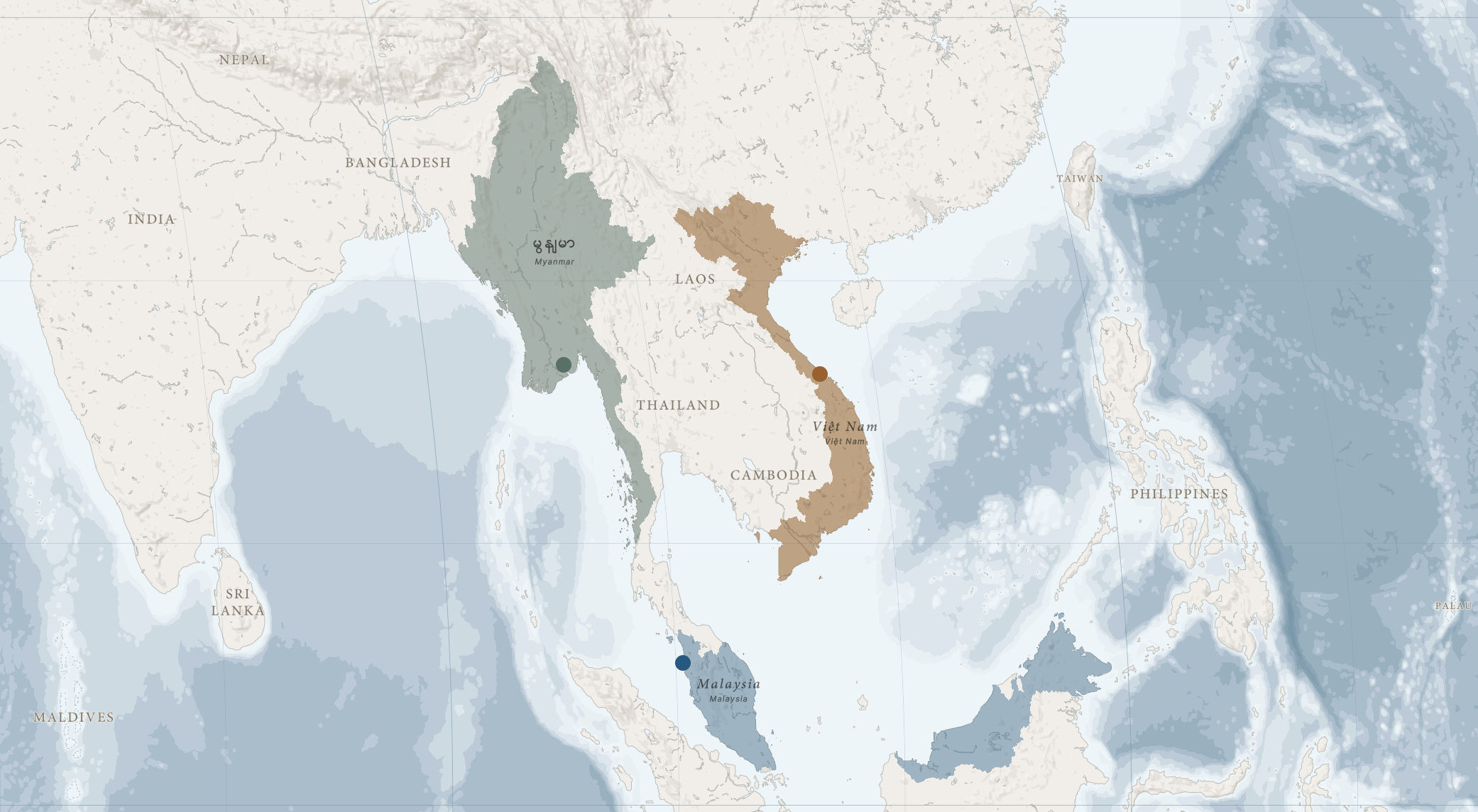
The project’s site-based methodology, rooted in the idea that a place’s stories emerge from the place itself, and that deep engagement with that place will lead to richer research and retelling, also aims for a mode of enquiry that is less bound to individual texts or chronologies, and more shaped by an understanding of the layered, often palimpsestic, nature of cities as culturally mediated landscapes. Many of the notes, storymaps and essays here are sensitive to haptic and phenomenological questions: How do the various complex types of proximity and being that are created by a city produce the frictions or togetherness necessary for creation in the cultural world? How are cities experienced? These questions are asked throughout the world, not just by historians but by planners, designers and futurologists as we move to an era in which more of the world’s population now lives in urban environments than ‘on the land’. So, as Site and Space in Southeast Asia looks back, it also seeks to fuel new ways of viewing urban landscapes in relation to their pasts, presents, and futures and inform debates that are vital to the region, and the world, today.