Phi Nguyen
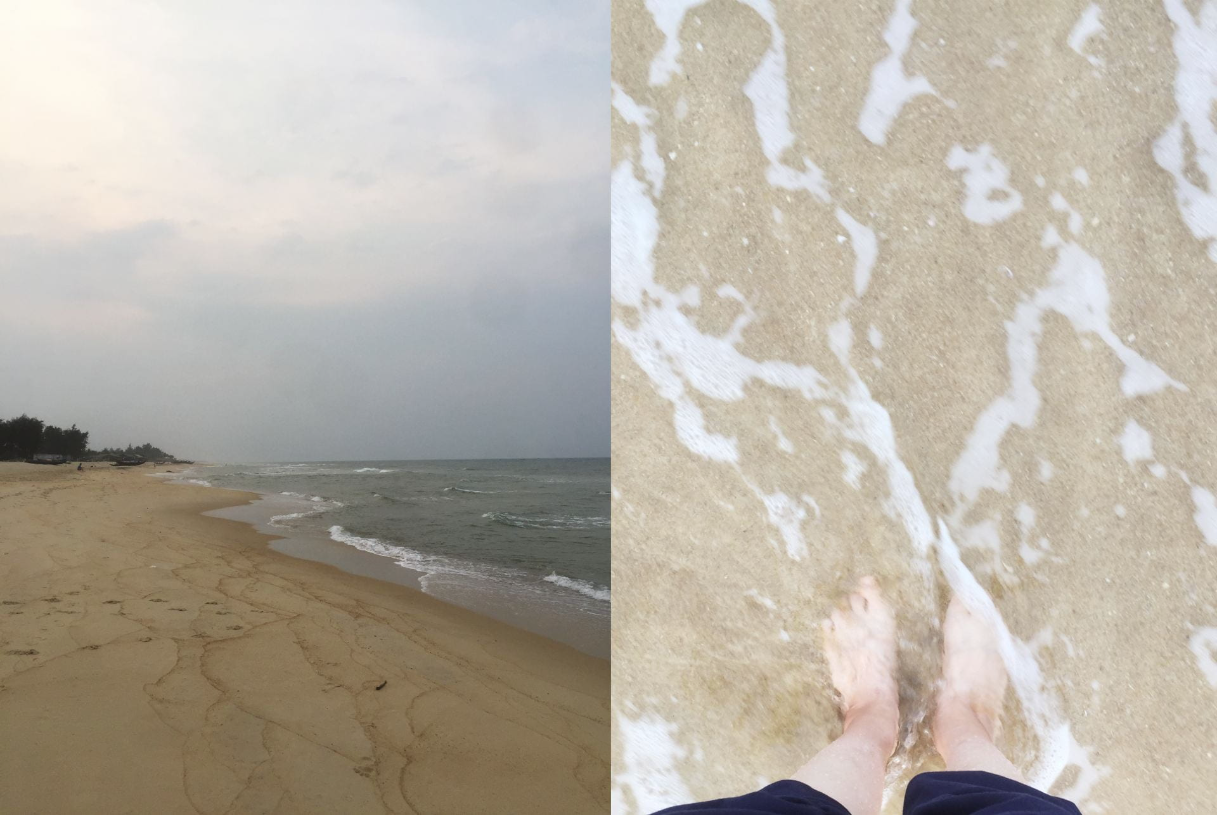
I stepped into the ocean, the water was nice and cool, the sand was so smooth and soft. I lay down, letting the gentle waves washing over me. Strangely, I had never before felt so connected to this city, nor to the country I call home. I was surprised it had never occurred to me before that Huế had such beautiful beaches, so as the many wonderful things that I discovered during my one-month long field trip.
My historian friend who worked on Huế for her dissertation kept telling me that one week would not be enough for me to get to know Huế and the villages, given my unpopular topic of ancestral halls in the city. I am now still glad that I took her advice.
I started renting a bike, looking at Google Maps, believing I could navigate through the villages, just as I did in any other city I had been to. I was too confident. Most places are not registered on the maps, and often times one can only find their way by words of mouth.
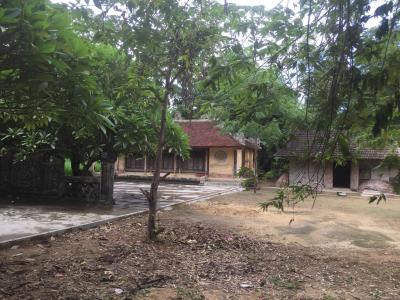
After reading a few books on the villages, I jotted down a couple that I would want to see first, looking for those ancestral halls. However, being in the villages themselves really change what I thought I would find—not saying that I had many preconceptions or expectations in the first place. Though many of the ancestral halls had been heavily renovated, which was disappointing to me, I found a plethora of fascinating structures deeply rooted in the city's traditions, history and culture.
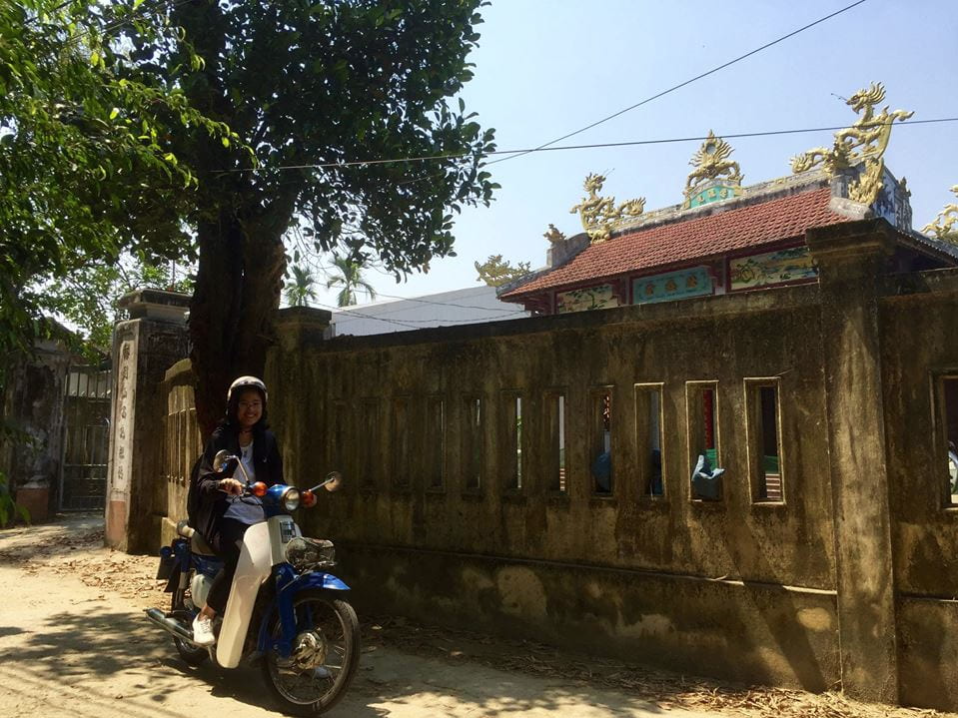
Travelling around, I felt there was a pattern of spatial recognition organising these villages: all the spiritual structures seem to line up in an order along, and facing toward, the 'lighting route' (most of the time the river or a canal). This was extremely fascinating to me, and included a shrine for the first settlers, communal hall, a Buddhist temple, a female goddess shrine, then a male god shrine, then ancestral halls, and then finally a shrine for the ghosts. The more villages and places I visited, the clearer the pattern seemed to me. I no longer thought I knew what I was looking for, but I got excited about knowing what questions to ask.
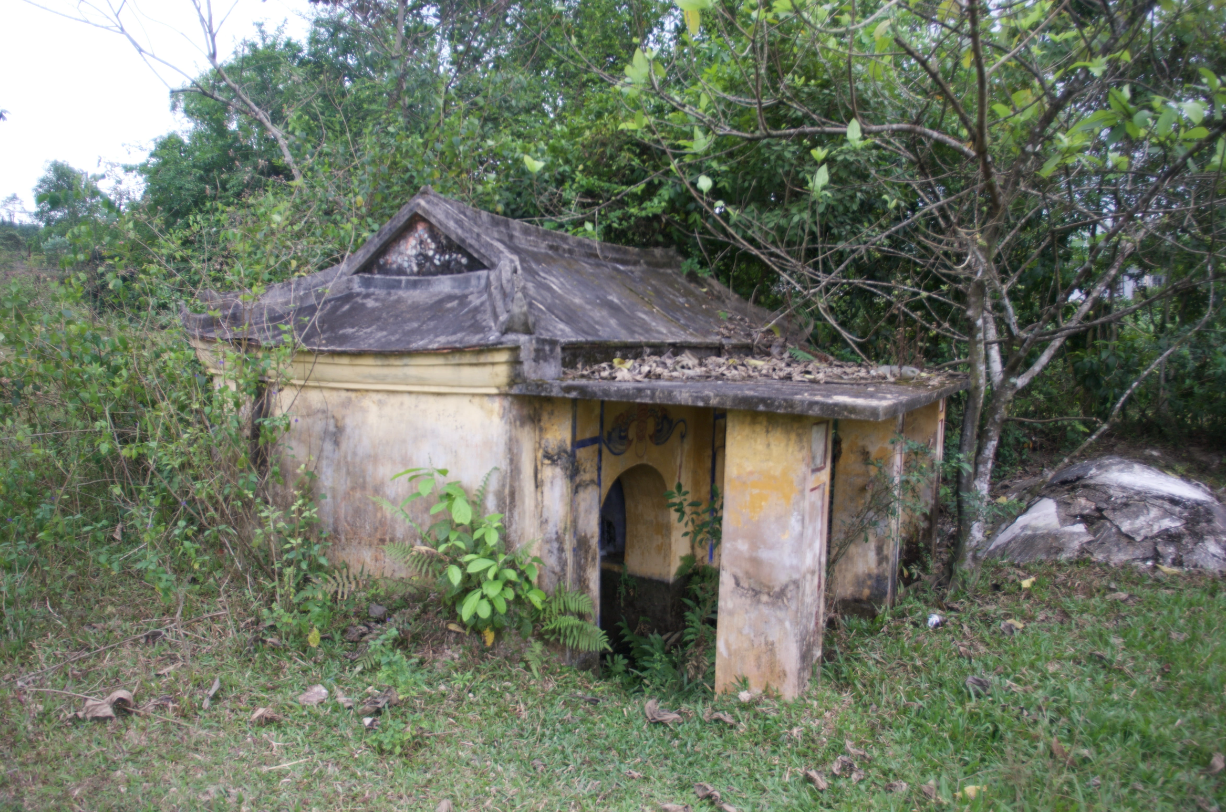
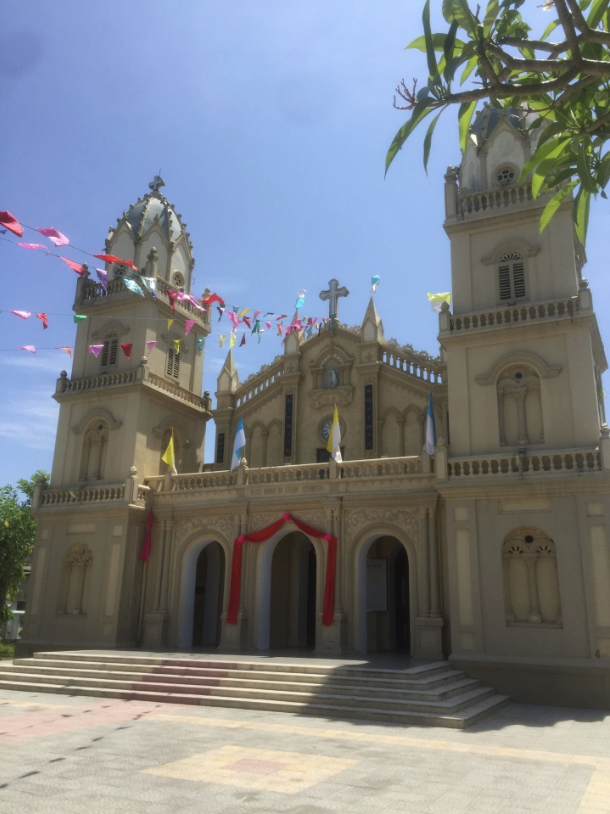
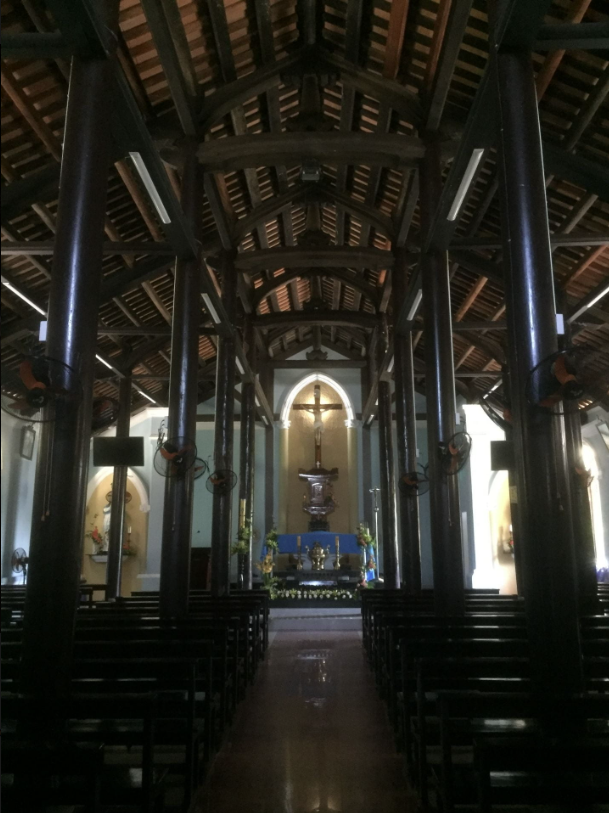
What about the well? What about the First Settlers? The relic hunting spirit just took over me, I forgot about my initial attempt: looking at the ancestral halls. Now I wanted to see that one goddess shrine that was built even before 1945, that ghost shrine that I was told existed before the 100-year-old man was even born, or that Catholic church with the structure of a Nhà Rường (Huế's traditional wooden house).
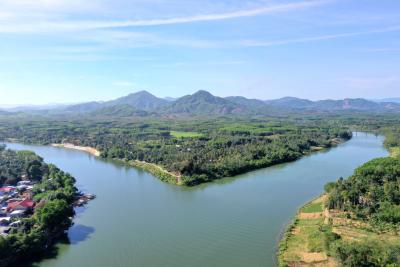
I started feeling overwhelmed with all that I was exposing myself to; I went to VICAS Art Studio. I met these wonderful researchers who had been doing research on different parts of village life in Huế. They told me about this one village at the beginning of the Huong River (the most important water feature in the city), where the locals still worship Thiên Y An Na, a Chăm people's Goddess. Then another village along the river, whose means of living was based on the forestation, which would worship different local gods from one that relies on fishing near the ocean. Thus, my new research direction formed: spiritual life in Huế's villages, looking at a system of villages along the Huong River, testing my hypothesis about their spatial organisation.
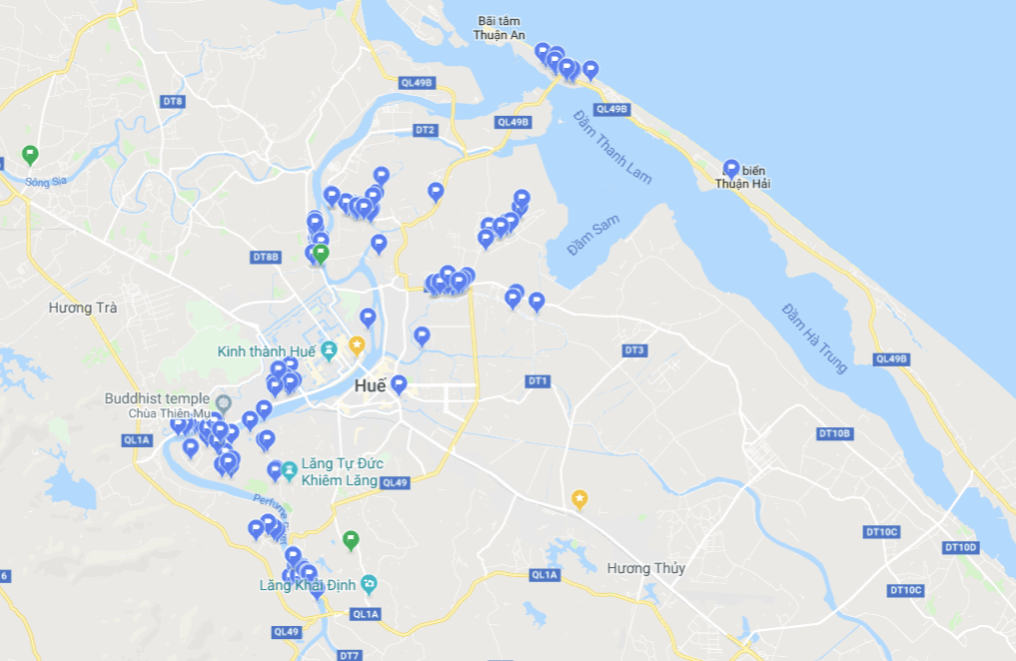
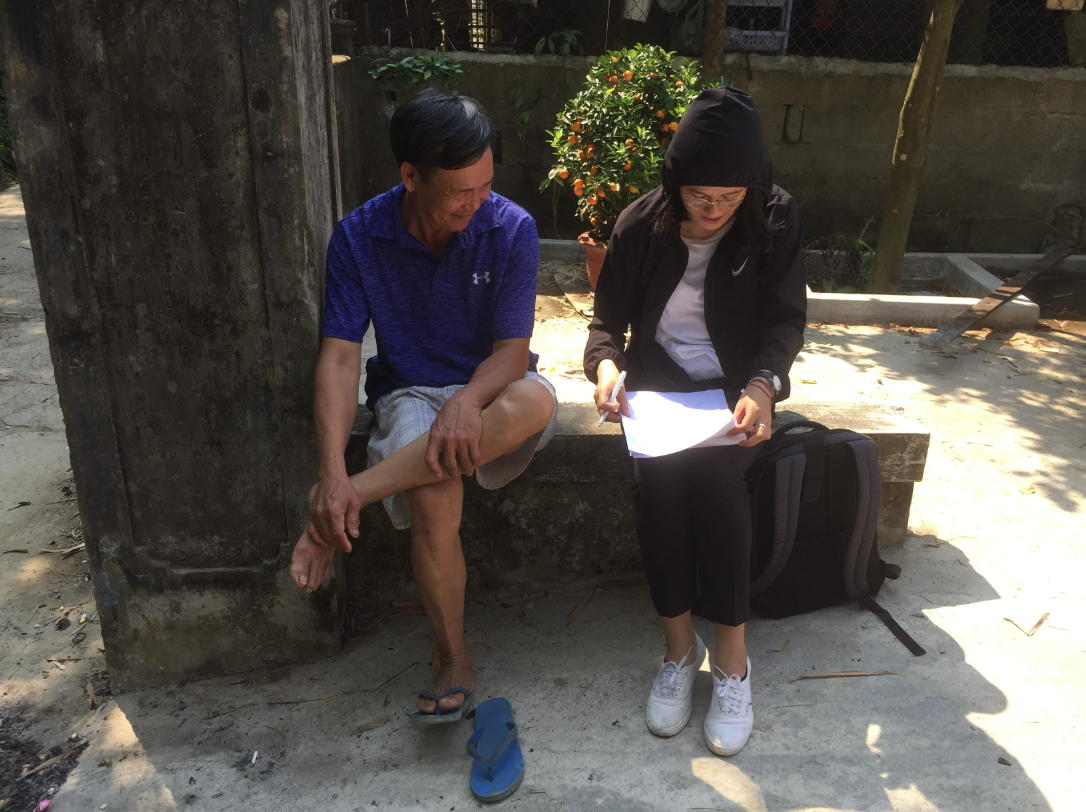
I got on my bike again, eager to start this new research. I went through almost ten villages, one by one, carefully marking every single spiritual/religious structure I found. Starting with looking for the head of the village, often times the oldest man in town, I was always taken aback by the hospitality and eagerness to share. I would be given books, taken to the place, sometimes in the middle of the forest, hearing stories about the villagers' pasts, their families, and I never met one without such pride about their lineage and the village tradition. All the villagers were very helpful and excited to show me the way—I would even be invited into their houses, chatting with them, looking at their family treasures. In Hải Cát, a village up along the Hương River, in the mountains, the elder men even took me deep into the forest to look at all of the ancient shrines they were told about by their grandfathers.
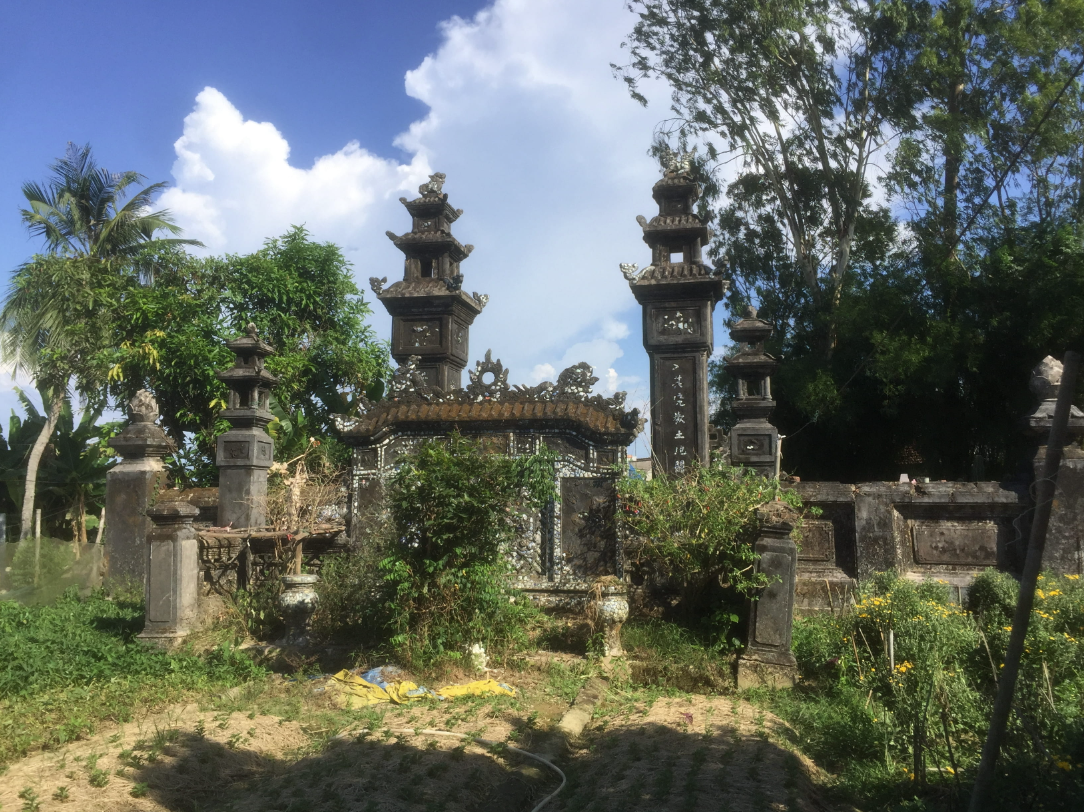
I started noticing the variations in architecture that emerged between the different kinds of structures and their purposes. The goddess shrine that resembles a building but is not to be occupied or entered: it is more symbolic than functional. The ghost shrine that is often found at the boundary of the village, before entering another one: a symbolic end and a symbolic beginning—and so on. These structures only fascinated me more and more.
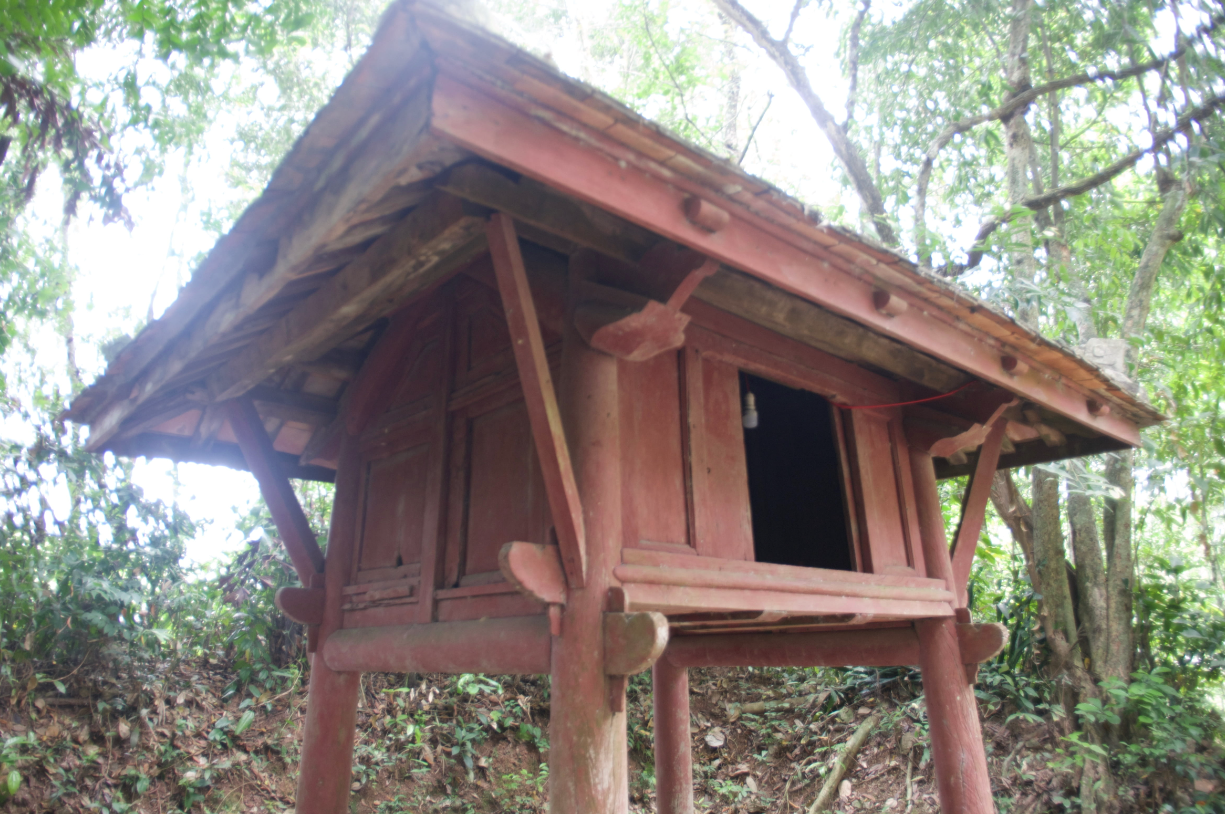
As I put more dots on my Google Maps, taking more pictures, I felt also this strong connection to my country, to a past that I had never known but that was now unfolding itself in front of me. Each time I saw an intact structure, I think I felt no less of a sense of pride than the villagers—a pride in our craftsmanship, our country and its long history and rich culture.